

FACT
1/6
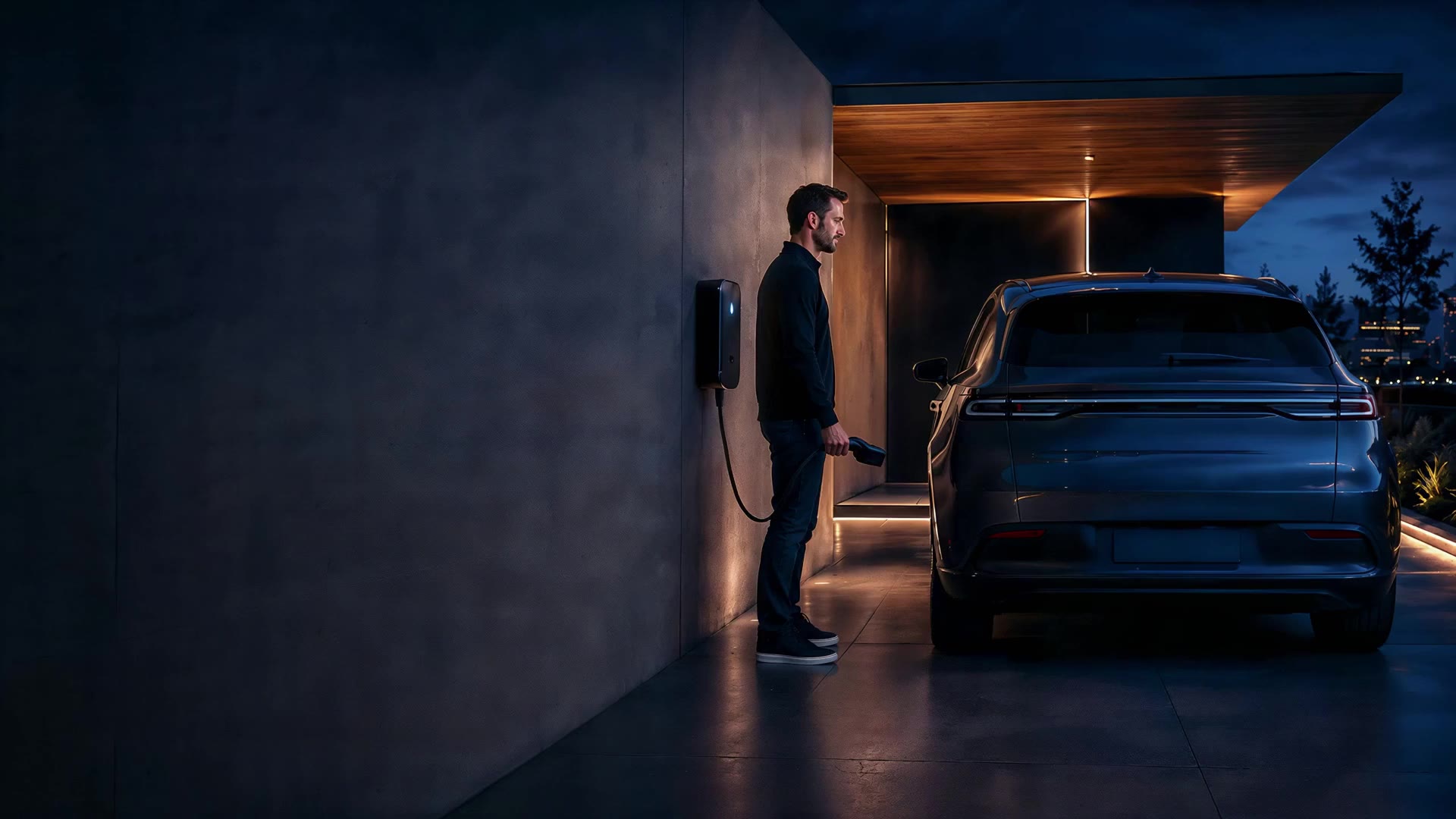
“Your EV could help power your home.”
Some EVs support bidirectional charging, sending stored electricity back to a home or even the grid.
MYTHS & FACTS
Some EVs support bidirectional charging, sending stored electricity back to a home or even the grid.
NEWS & STORIES
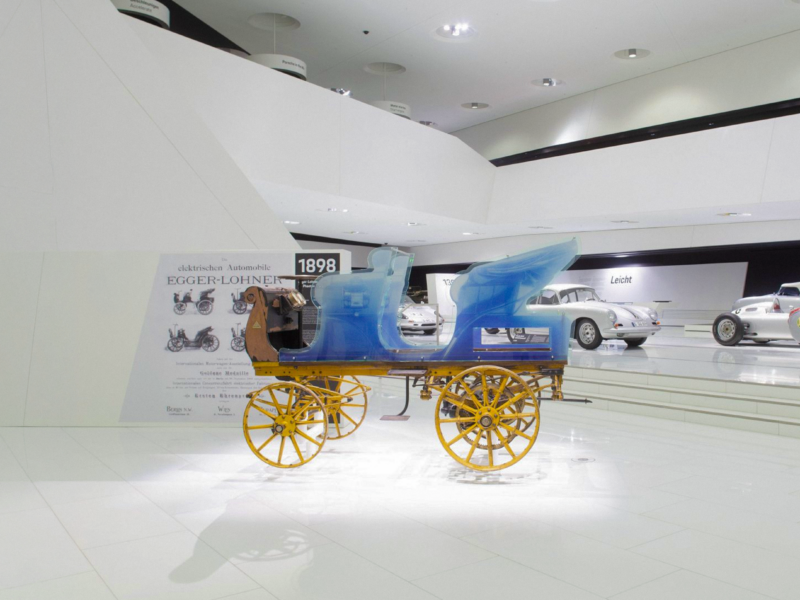
Long before the Taycan, Ferdinand Porsche was already building electric vehicles. In fact, the first vehicle he designed was electric back in 1898.
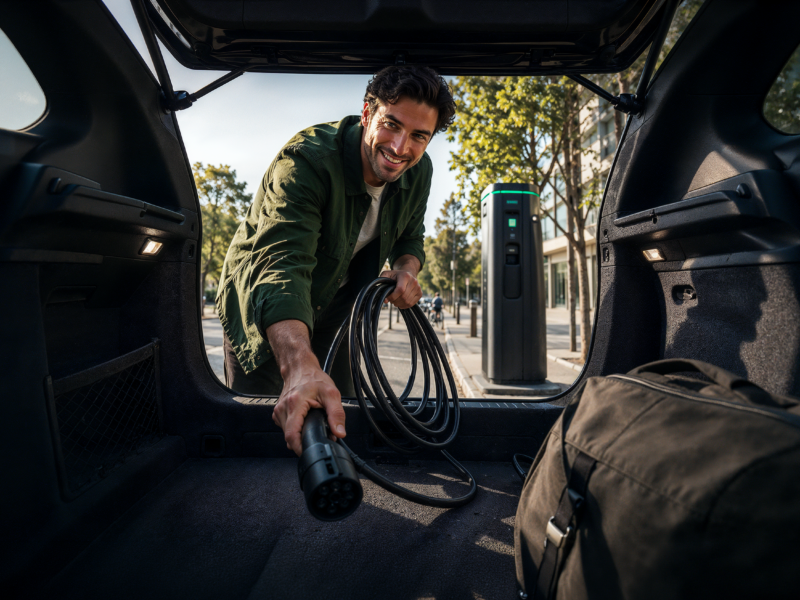
More electric cars are entering the second-hand market. And better information about batteries, costs and charging could make choosing one much simpler.
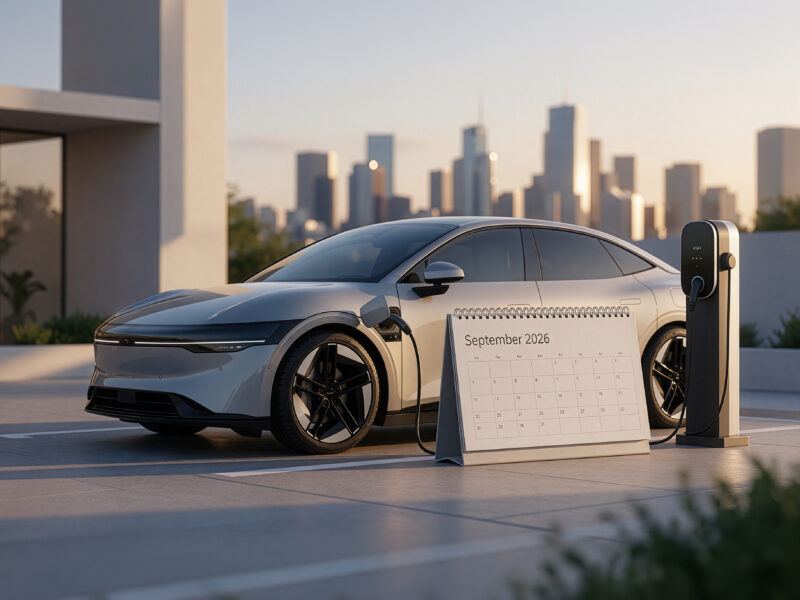
Faster charging, wireless power, electric GTIs and even the possible end of the 12-volt battery. Here are five EV stories worth knowing from September 2026.
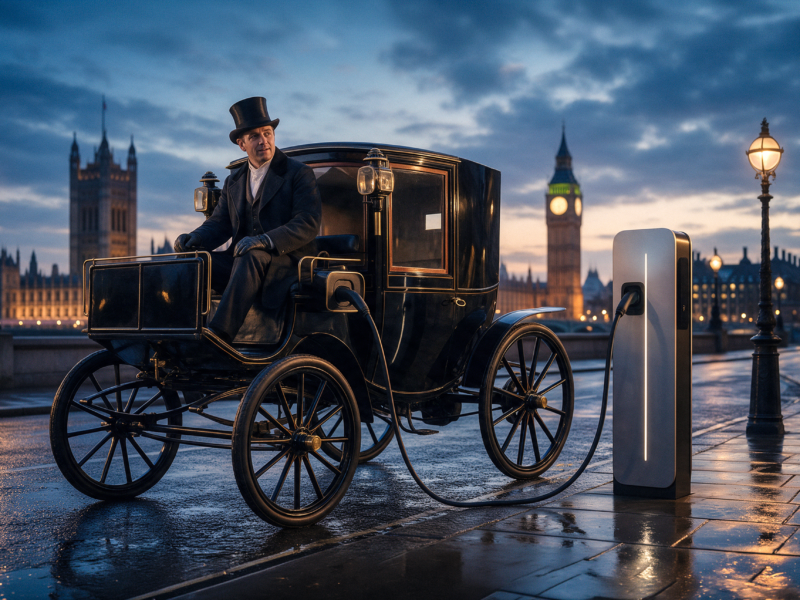
EVs might feel like a modern invention, but electric cars were already carrying people through city streets more than 130 years ago.
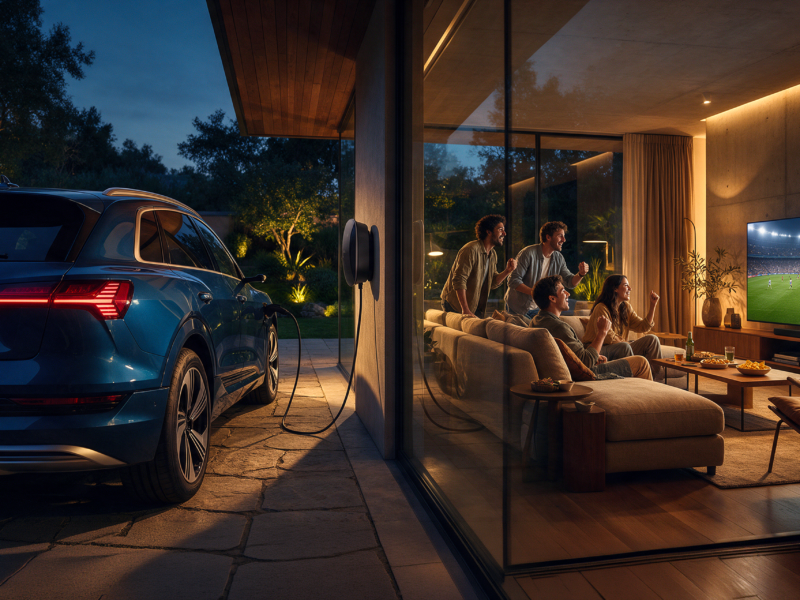
In some cases, yes. With the right car and charger, an EV can send electricity back to your home.
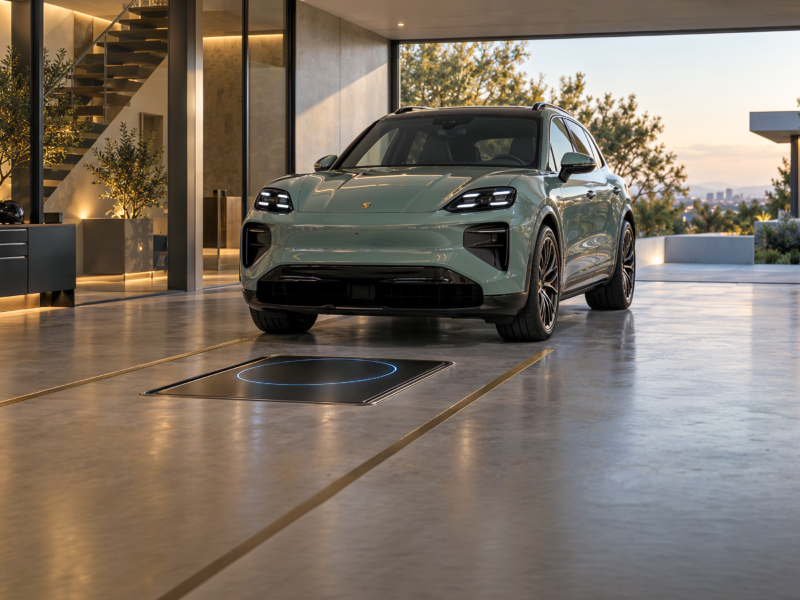
Porsche has launched wireless charging for the Cayenne Electric. Here’s how it works, how fast it is and whether cables could really disappear.
EVs can cost more upfront but less to run. Here’s how charging, maintenance, purchase price and depreciation change the real cost.
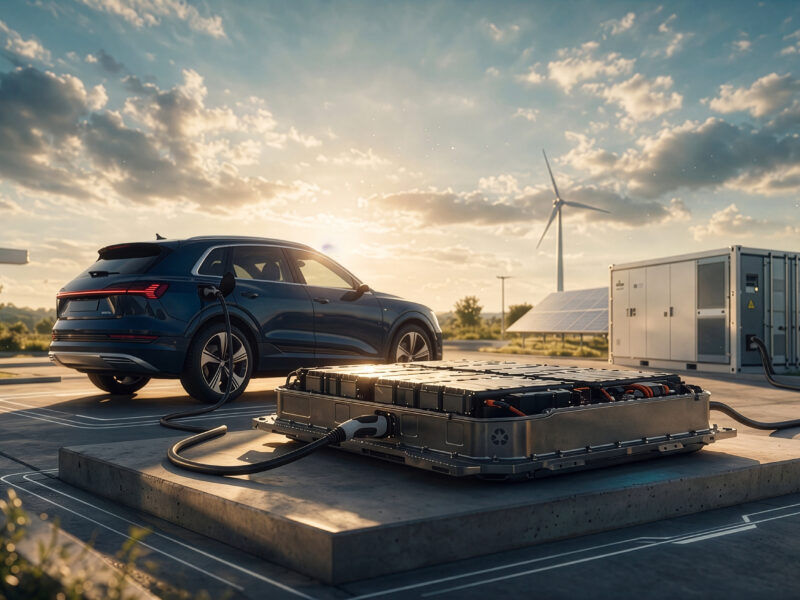
Old EV batteries do not always become waste. Some can be reused for energy storage before valuable materials are recycled.
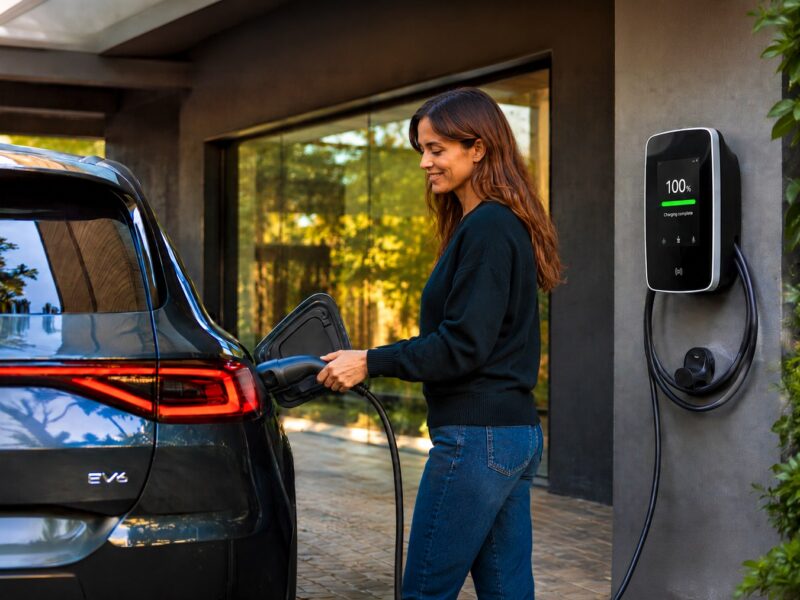
Most EVs do not need a 100% charge every day. Here’s when 80% or 90% may be enough, and why some batteries are different.
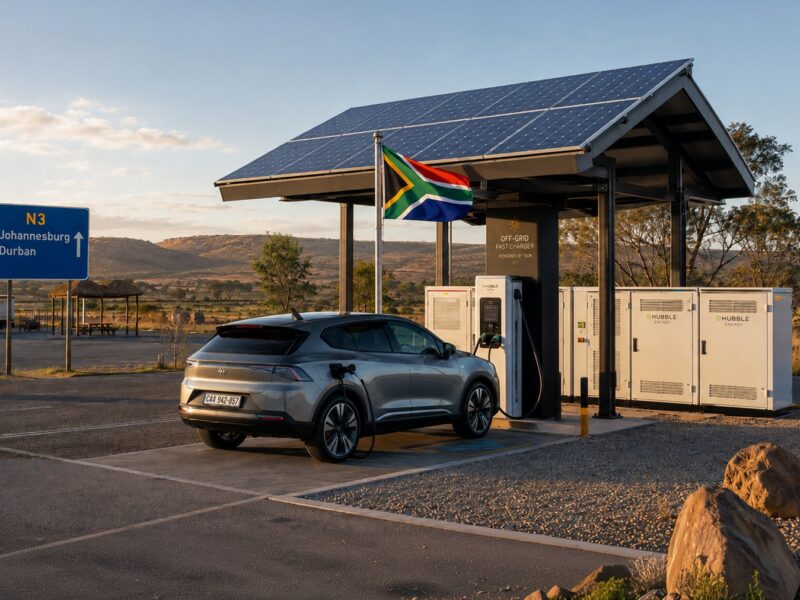
South Africa is testing off-grid EV charging powered by solar energy and battery storage. Here’s how it works and why it matters.
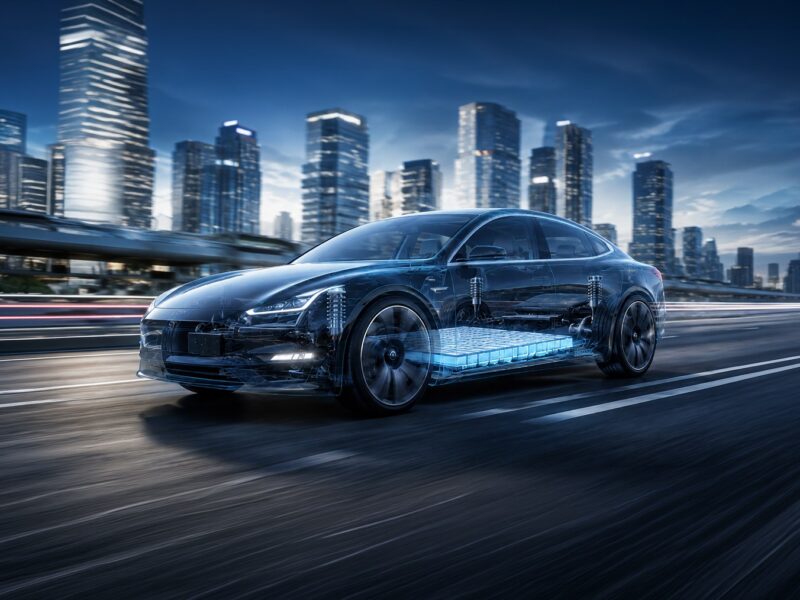
CATL is targeting 2027 for small-scale solid-state battery production. Here’s what the technology could change for EV range, charging and safety.
ELECTRIC ANSWERS
Plug in your question and get a clear, evidence-based answer about driving electric.

 EVieAI Assistant
Hello! 👋 I’m EVie—your co-pilot for going electric. Ask me about charging, range, costs, or anything else that sparks your curiosity.
FIND YOUR EV


 South Africa