
Electric cars are entering a different price range
For a long time, price was one of the biggest reasons people ruled out an electric car before even looking at one.
That picture is beginning to change.
A recent comparison by Standvirtual looked at new 100% electric cars sold in Portugal, using prices available to private buyers with VAT included and without deducting public purchase incentives.
The result is a much broader spread of choices, from simple city cars to models with more space and more than 300 km of WLTP range.
10 affordable electric cars available in Portugal
10
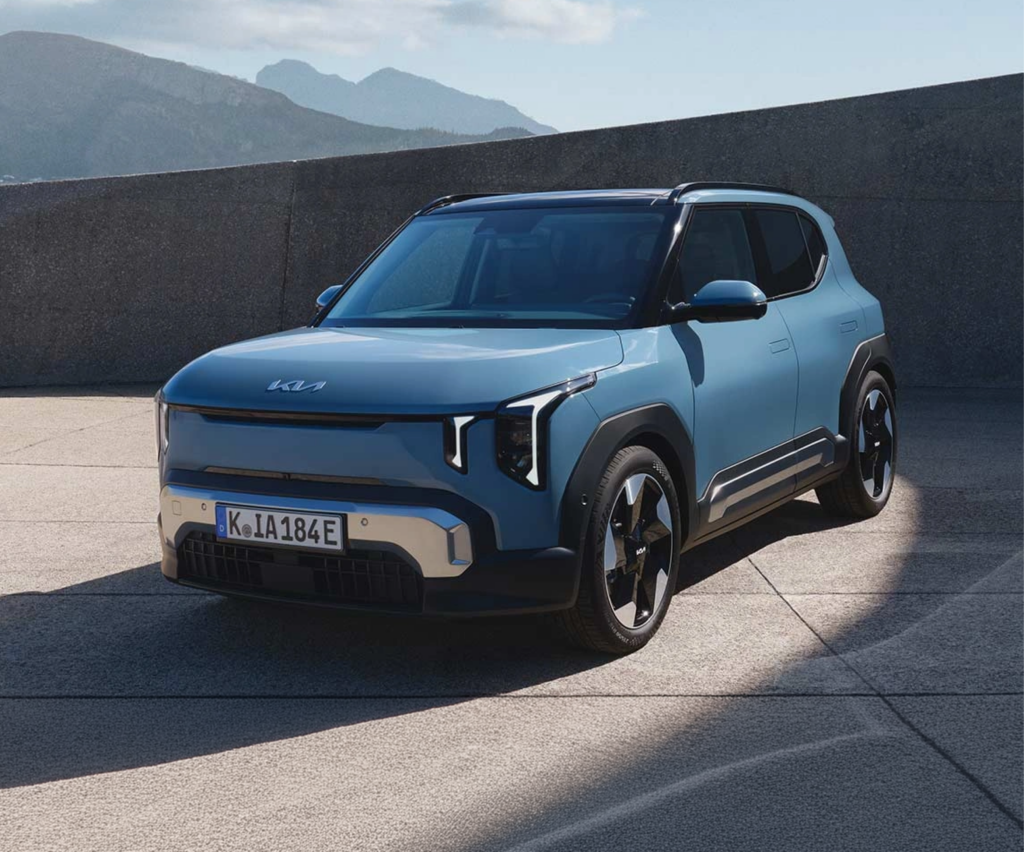
Kia EV2
from €27,750
The Kia EV2 is one of the newest entries in Portugal’s more affordable EV segment. In Urban trim, the 42.2 kWh battery version starts at €27,750, putting it just below the €30,000 mark and close to several other newer EVs in this ranking.
Unlike the smallest city-focused models on the list, it is positioned as a more versatile everyday car. Its arrival also shows how competitive this price band is becoming, with buyers now getting more choice without immediately moving into a higher-budget EV.
09
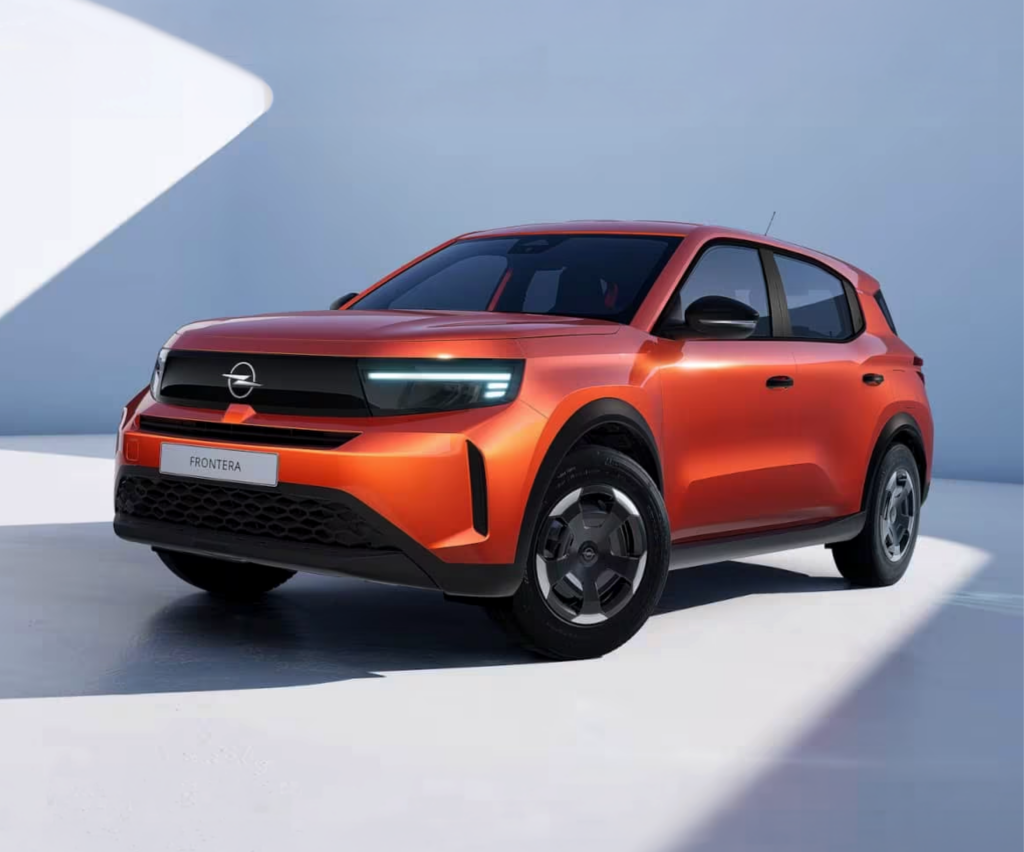
Opel Frontera Electric
from €27,490
If space matters, the Opel Frontera Electric offers something different from the small city cars at the cheapest end of the market. Prices start at €27,490, while selected versions can reach up to 409 km of WLTP range depending on battery and configuration.
It is a more family-friendly option, showing that spending under €30,000 no longer limits buyers to compact urban EVs. For many households, the extra room and flexibility could matter just as much as the headline range figure.
08
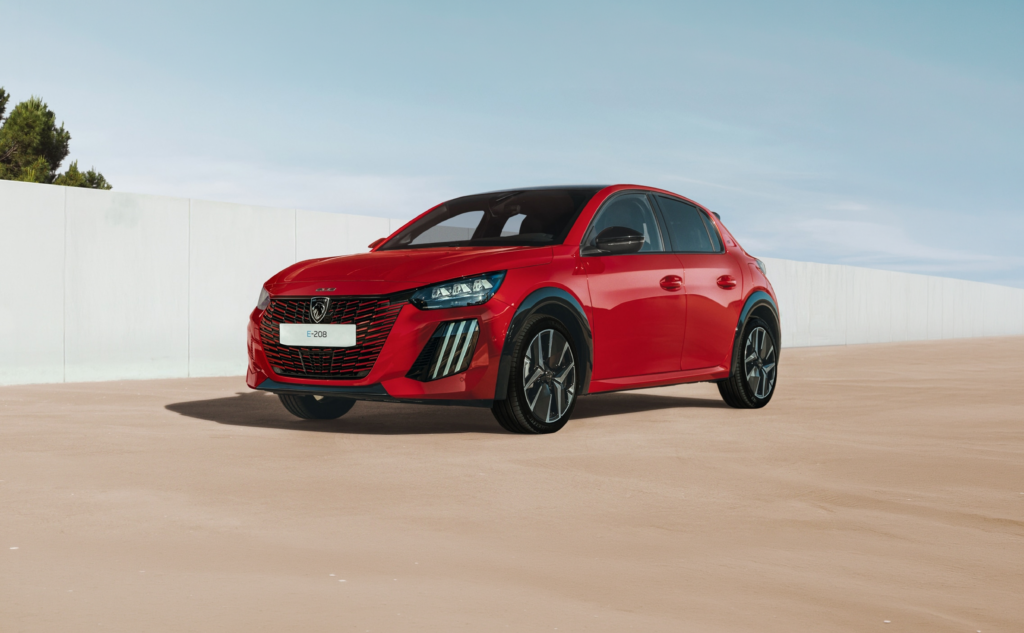
Peugeot E-208
from €27,035
The Peugeot E-208 enters the list with a promotional price of €27,035 for private buyers. Depending on the version, it can offer up to 433 km of WLTP range and up to 156 hp, making it one of the longer-range choices in this price group.
The important detail is that the listed price is campaign-based and may change once the offer ends. Buyers should check the conditions carefully before comparing it directly with other models, especially if extra costs or a different trim affect the final price.
07
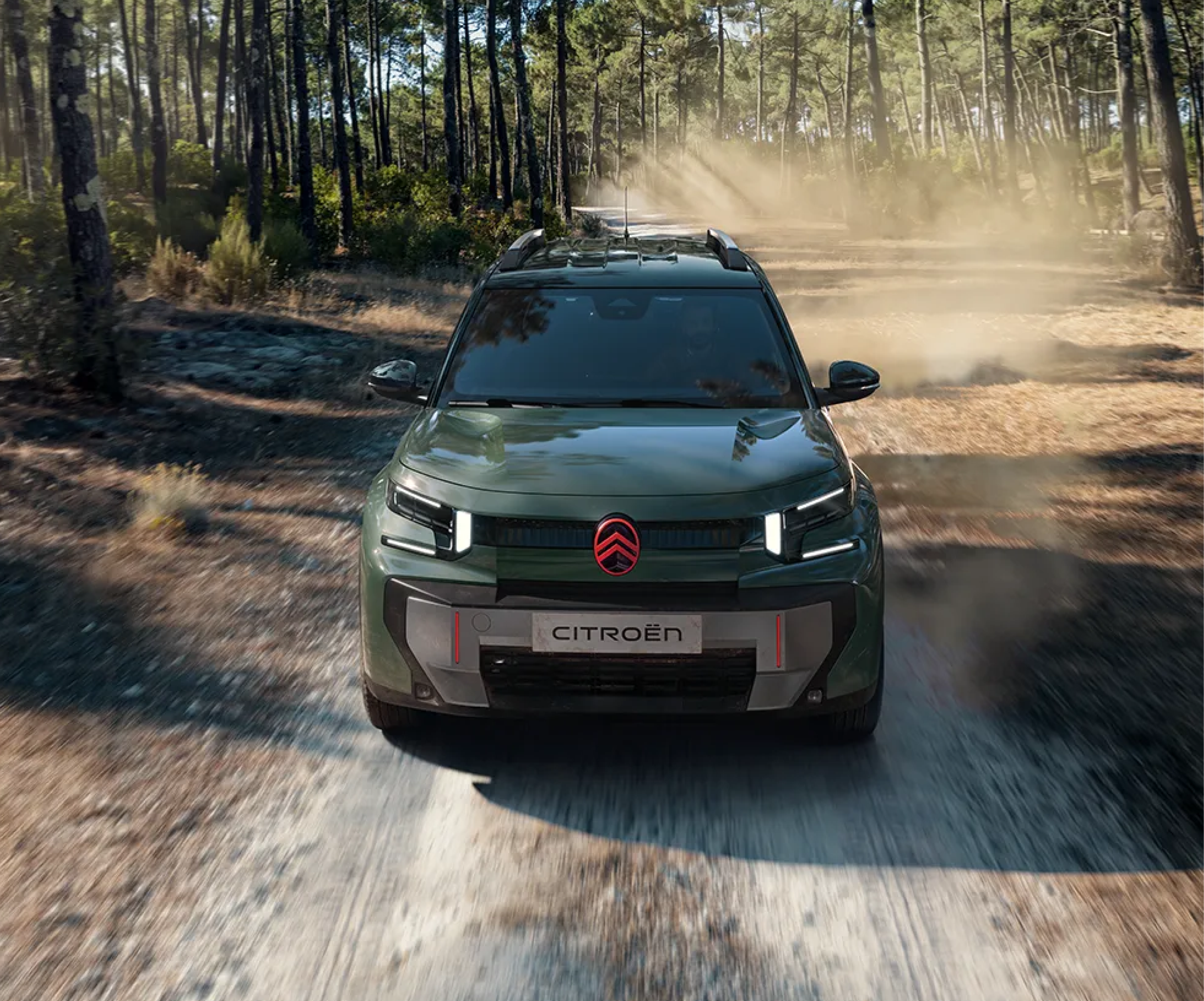
Citroën ë-C3 Aircross
from around €26,500
The Citroën ë-C3 Aircross brings electric driving into a more family-oriented format. Its entry electric version uses a 44 kWh battery, offers up to 302 km of combined WLTP range and supports DC fast charging at up to 100 kW.
With a 4.39-metre body and a 460-litre boot, it offers more space than a typical small city EV. For buyers who need extra room without moving into a much higher price bracket, that balance of practicality, range and charging could be especially useful.
06
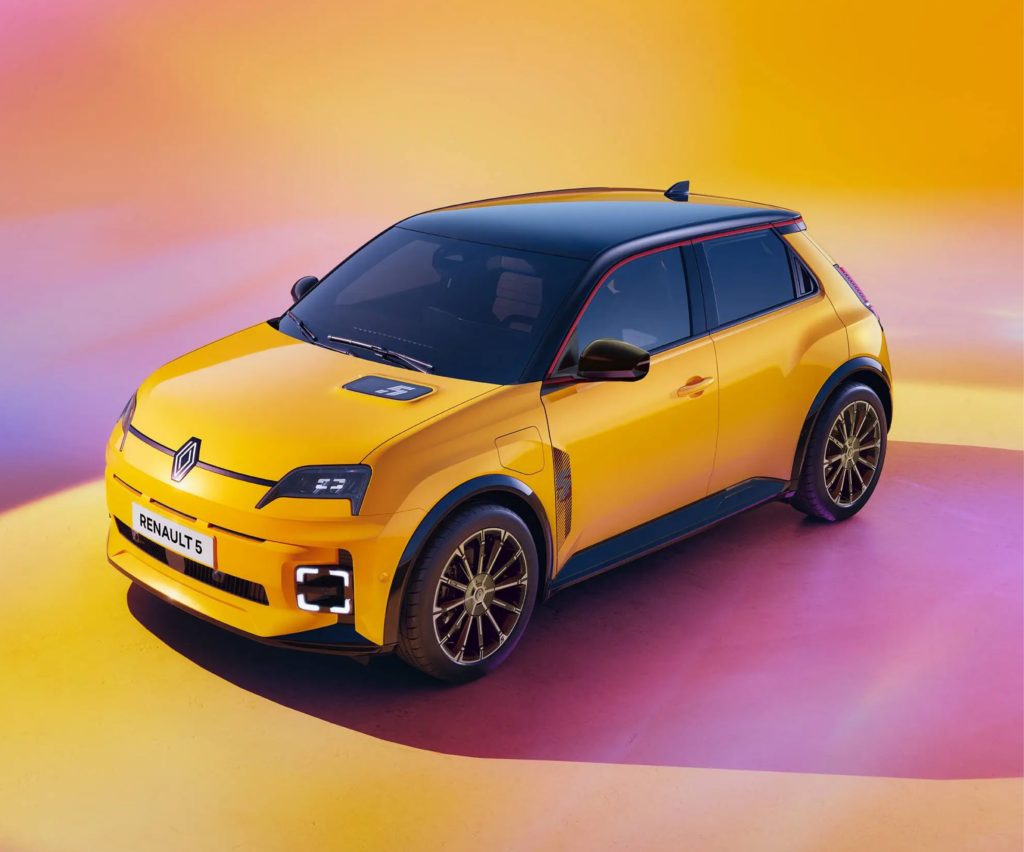
Renault 5 E-Tech electric
from €24,900
The Renault 5 E-Tech electric starts at €24,900 in the 95 hp Five version. It uses a 40 kWh battery and offers up to 310 km of combined WLTP range, while Renault quotes up to 428 km in urban WLTP driving.
The battery is covered by an eight-year or 160,000 km warranty. That mix of range, price and warranty gives it more flexibility than the cheapest city-focused EVs, especially for drivers who want one car that can handle both urban use and longer everyday journeys.
05
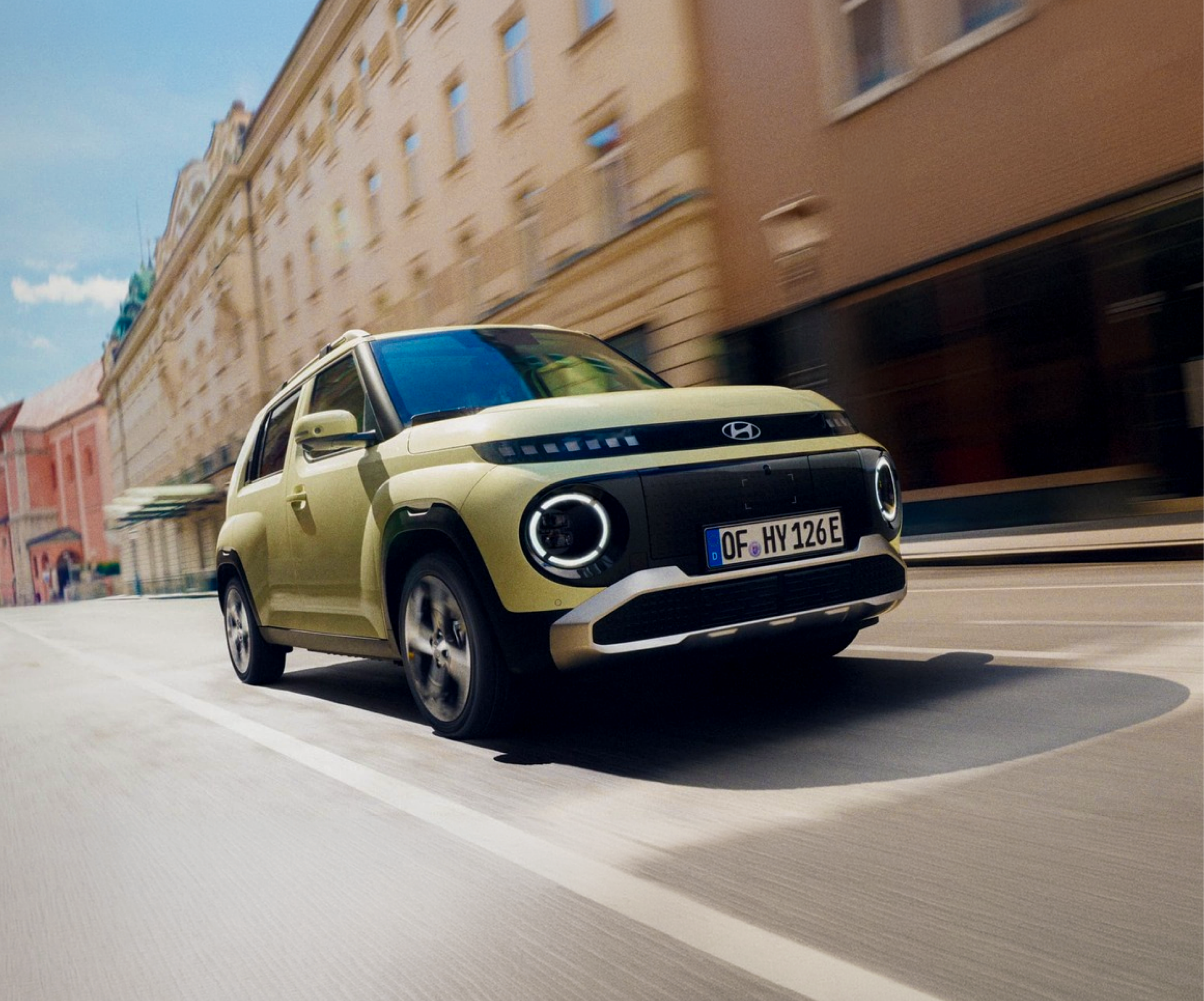
Hyundai Inster
from €24,900
The Hyundai Inster combines compact dimensions with a useful step up in range. For private buyers, we are using a starting price of €24,900. It is available with 42 kWh and 49 kWh batteries, giving buyers two different range and budget options.
Depending on the version, WLTP range reaches up to 327 km or 360 km. That makes it easy to place in the city, while the larger battery gives it enough flexibility to go beyond short urban trips and work as a more complete everyday car.
04
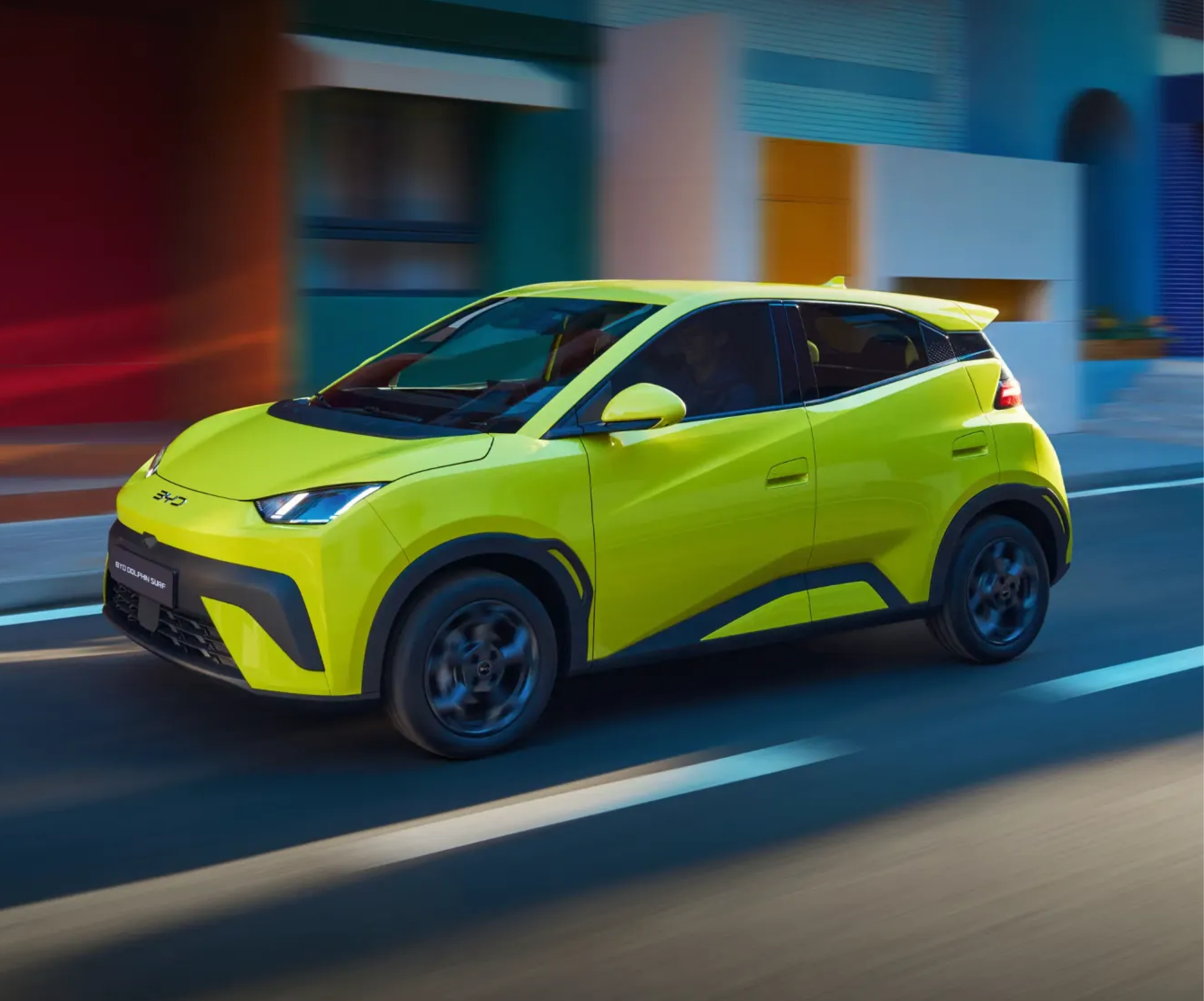
BYD Dolphin Surf
from €24,600 incl. VAT
The BYD Dolphin Surf sits at around €24,600 with VAT included and offers more than just a low entry price. Depending on the version, combined WLTP range can reach 322 km, while higher-spec models add noticeably more power.
The Comfort version reaches 115 kW, or 156 hp. It costs more than the very cheapest EVs on the list, but can bring extra performance, range and equipment in return. That makes it worth comparing the full package, not only the starting price.
03
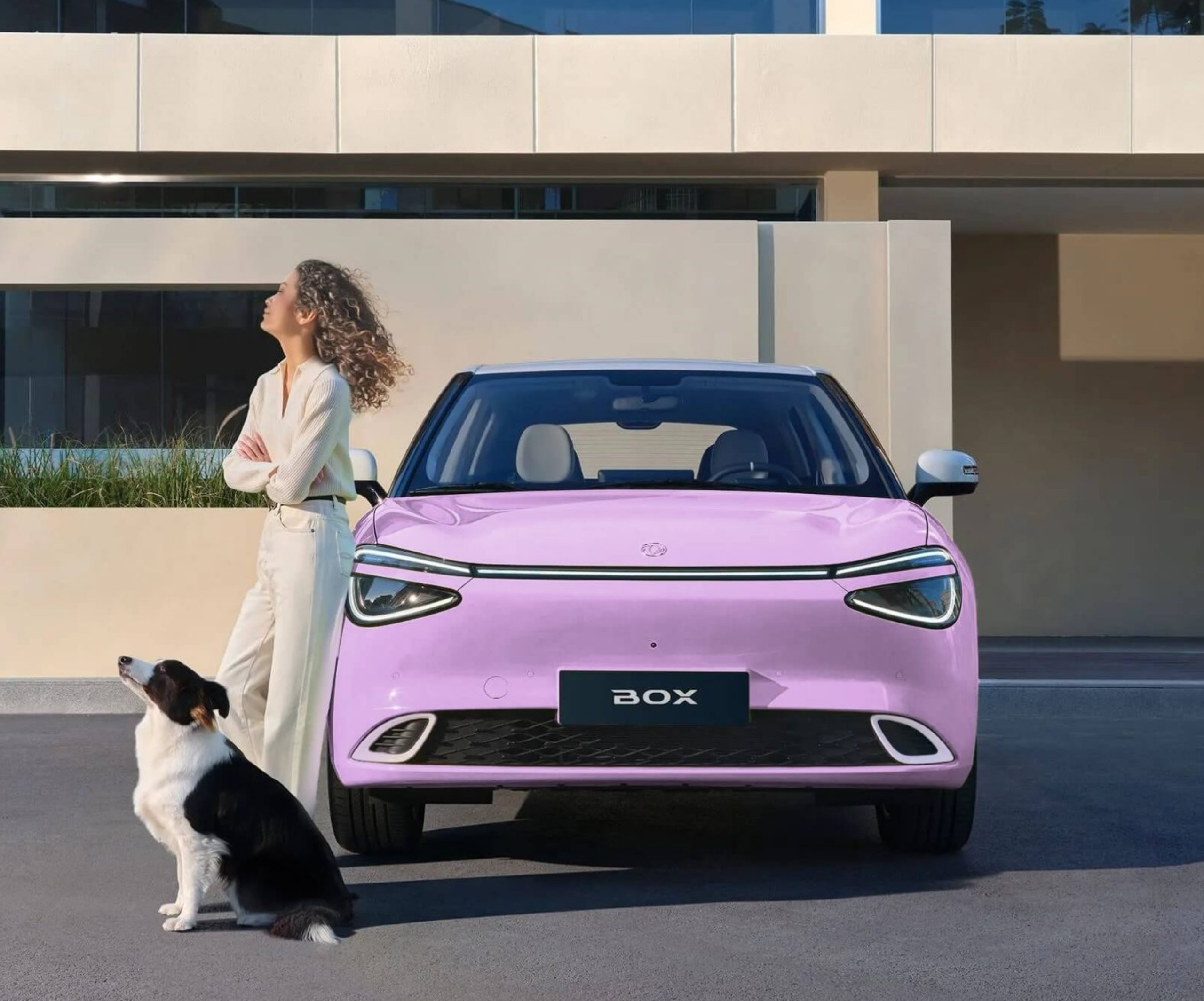
Dongfeng Box
from €23,500 with campaign offer
The Dongfeng Box shows how Chinese brands are becoming more visible in Portugal’s affordable EV market. The Box Plus with a 42 kWh battery is listed at €23,500 in campaign pricing and offers 310 km of combined WLTP range, with homologated consumption of 15.6 kWh/100 km.
Standvirtual notes that legalisation, transport and metallic paint can increase the final price. The campaign is also limited by stock and validity dates, so comparing the full on-the-road cost is more useful than looking only at the headline figure.
02
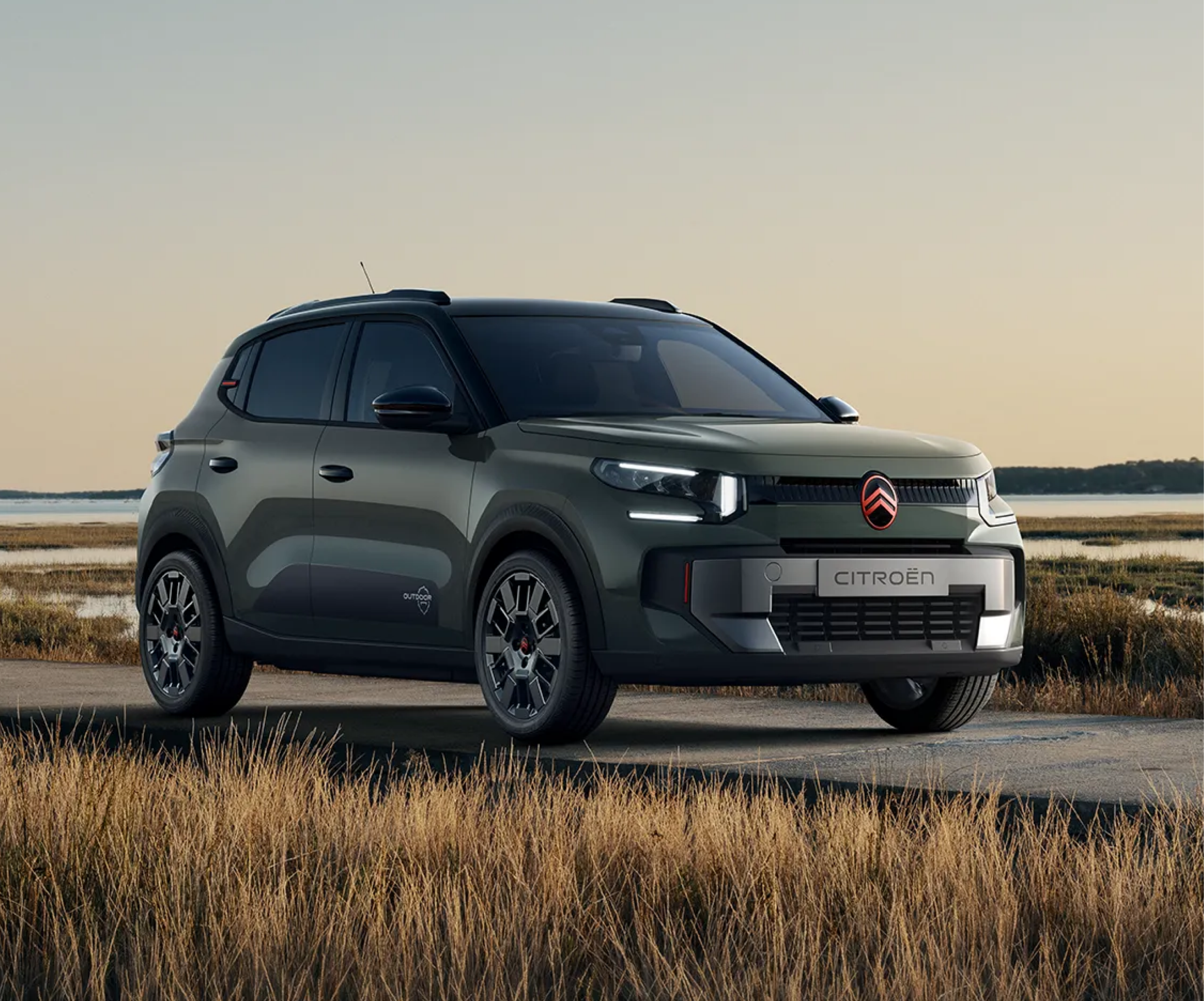
Citroën ë-C3
below €20,000 with campaign offer
The Citroën ë-C3 is one of the few new electric cars in Portugal that can currently move below the €20,000 mark through promotional pricing. It is also closer in size and format to a conventional B-segment hatchback than some of the smallest entry-level EVs.
Battery, range and final price vary by version, so it is worth checking exactly which configuration the campaign includes. Its place on the list shows how quickly the lower end of the EV market is becoming more competitive and more varied.
01
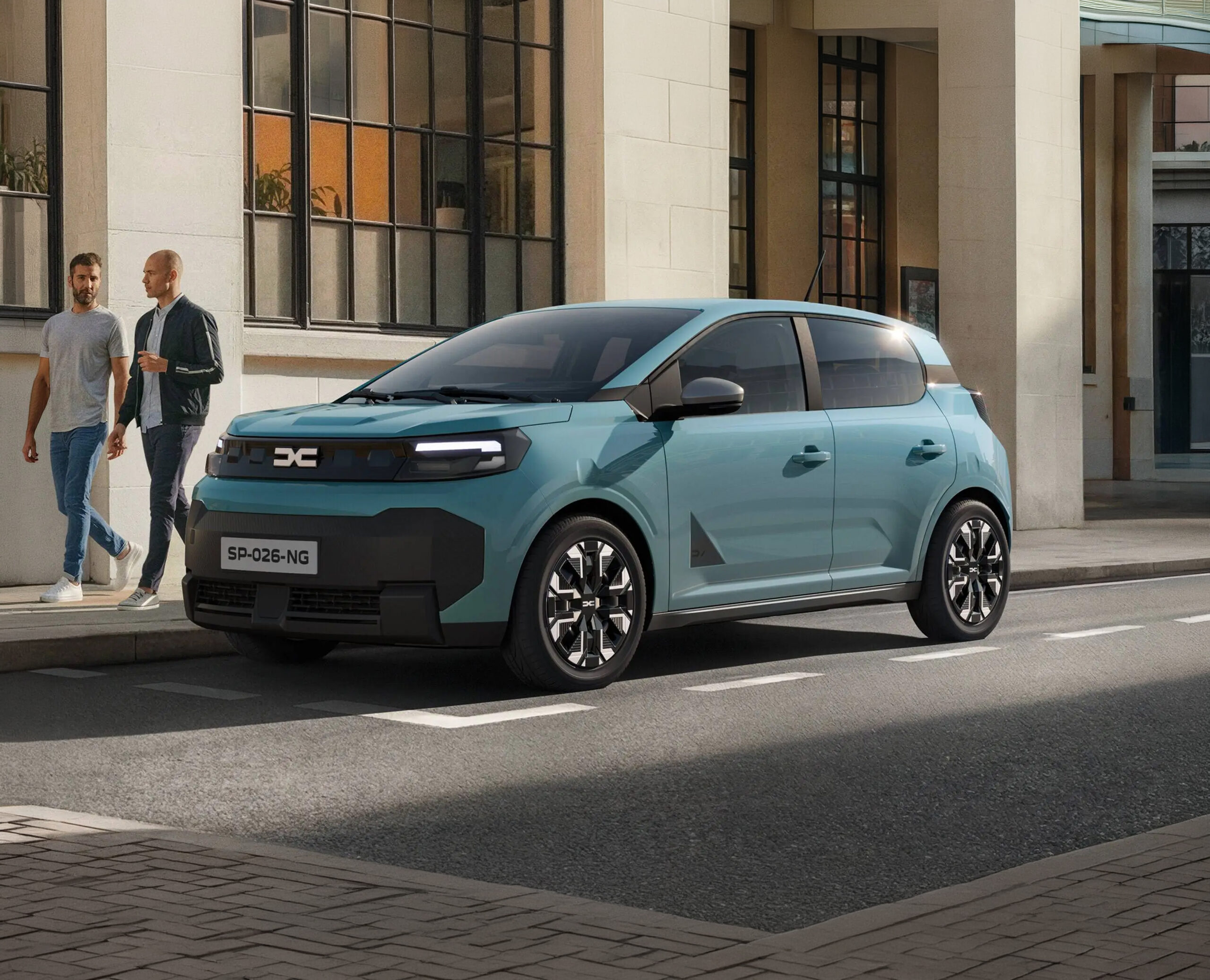
Dacia Spring
from €16,900
The Dacia Spring remains the lowest-priced new EV in this comparison, starting at €16,900. The Essential Electric 70 version has 70 hp, a 24.3 kWh battery and around 220 km of combined WLTP range, keeping its focus firmly on simple everyday mobility.
Its strengths are city driving and shorter journeys rather than long motorway trips. That approach helps keep the price low, and for drivers with short commutes and regular access to charging, the trade-off in range may still make practical sense.
Under €30,000 no longer means just one kind of EV
That may be the most interesting part of the list. At the lowest end, cars such as the Dacia Spring focus on simplicity and urban driving.
Move into the €23,000 to €28,000 range and the choices become more varied, with models offering more than 300 km of homologated range, more interior space and greater flexibility for longer trips.
The question is gradually shifting from “Can I afford an EV?” to “Which EV actually fits the way I drive?”
But advertised prices need a closer look
Some prices are linked to campaigns, financing, stock availability or particular conditions. Extra costs such as transport, legalisation or paint can also change the final amount.
Standvirtual excluded public purchase incentives from the comparison because eligibility and availability are not the same for every buyer.
So when comparing two EVs, the number in the headline is only the starting point.
Is the cheapest EV always the best value?
Not necessarily.
A driver covering 30 or 40 kilometres a day in the city has very different needs from someone regularly travelling long distances on the motorway.
Range matters, but so do charging speed, battery size, efficiency, interior space, equipment, warranty and where you expect to charge.
The Standvirtual comparison also points out that the more you depend on public charging, the more important maximum charging speed becomes.
Quick Q&A
Questions, answered.
Tap a question for a quick, evidence-based answer.
Can you buy a new EV in Portugal for under €20,000?
Yes. The comparison includes the Dacia Spring from €16,900 and promotional pricing that can bring the Citroën ë-C3 below €20,000.
Are all the prices permanent?
No. Some are promotional and can change with campaigns, stock or financing conditions.
Are government EV incentives included?
No. Standvirtual excluded public purchase incentives from the comparison.
Can an affordable EV still offer more than 300 km of range?
Yes. Several models in the list cross the 300 km WLTP mark.
What should I compare besides price?
Range, charging speed, battery size, efficiency, space, equipment, warranty and your usual charging options are all worth considering.
A quick reality charge
Affordable EVs are becoming a much broader category
The important change is not simply that one or two electric cars now cost less. There is more choice at lower price points, and those cars increasingly cover different needs, from short urban trips to longer everyday journeys.
The cheapest EV might get your attention. The right EV depends on how you actually drive.