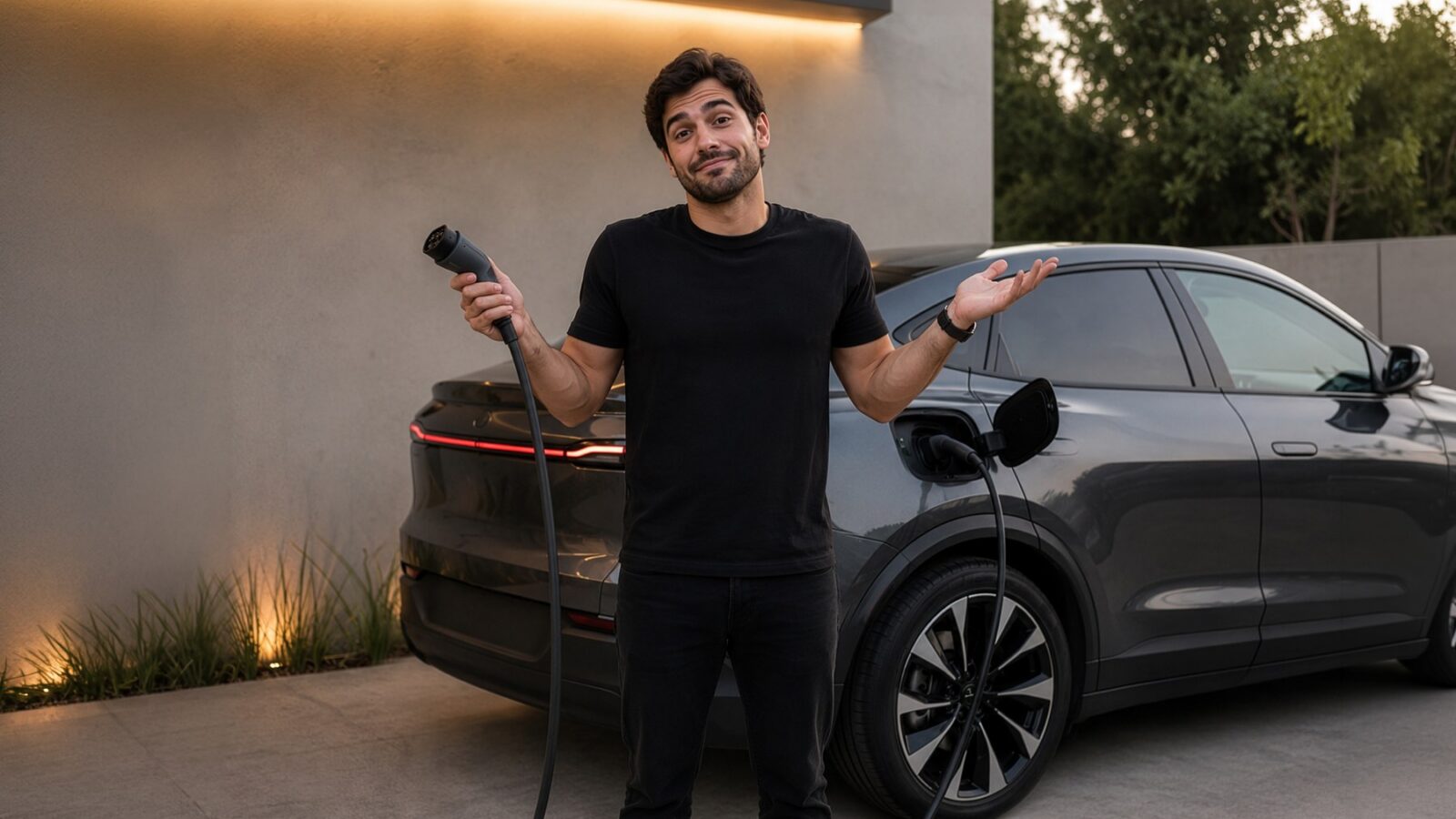
Yes. You do not need a charger at home to own an electric car. But whether it feels easy or inconvenient depends much more on your routine and the charging options around you than on the car itself.
If you can regularly charge near work, while shopping, close to home or somewhere else you already spend time, an EV can work without a private driveway or garage.
The important question is not simply “Can I charge at home?” It is “Where will charging fit naturally into my week?”
No driveway? That does not automatically rule out an EV
Home charging is convenient because the car can charge while it is parked for a long period. But it is not the only way to live with an electric car.
The European Alternative Fuels Observatory (EAFO) says that more than 70% of EV recharging in Europe takes place at home or at work. These locations are typically slower and cheaper than public rapid charging. That also means a significant share of charging happens elsewhere, including publicly accessible networks.
For apartment residents, the picture is also changing. The EU Energy Performance of Buildings Directive includes provisions intended to support the installation of EV recharging points in residential and non-residential buildings. National rules and practical availability still vary by country and by building.
So the bigger issue is access, not ownership.
The easiest alternative may be somewhere you already park
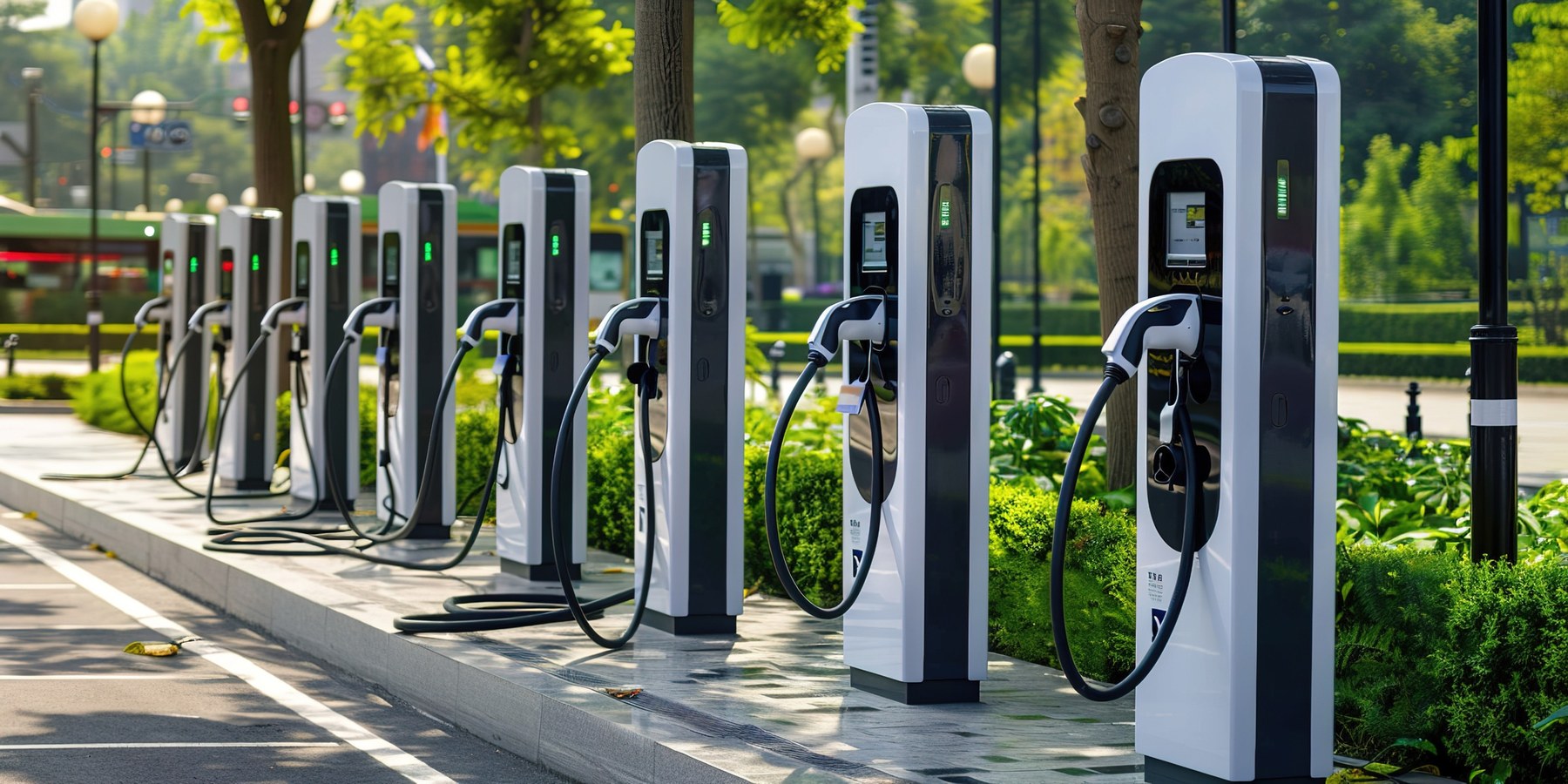
Living without home charging becomes much easier when charging fits around something else: while you are at work, at a supermarket or shopping centre, at a public charger near your home, in a shared apartment car park or during longer journeys when you would stop anyway.
This can work particularly well if you do not drive long distances every day. An EV does not need to be charged every time it is parked. If your normal driving only uses part of the battery each day, you may be able to fit charging around one or more longer stops during the week.
Exactly how often depends on your car, your mileage and your charging options.
But relying on public charging changes the calculation
Without home charging, you may depend more heavily on public charging prices and availability.
EAFO notes that home and workplace charging are generally the cheapest options for EV users in Europe. Public charging prices vary by country, operator, location and charging speed, so an EV that is inexpensive to run with home electricity can cost more when most of its energy comes from public chargers.
Convenience matters too. A charger five minutes from your home that is usually available is very different from one that requires a special journey or is regularly occupied.
Before buying an EV, spend a week paying attention to where you already park. That gives you a more realistic picture than simply looking at a map full of charging pins.
What about longer journeys?
Not having a charger at home does not make road trips fundamentally different. For longer journeys, EV drivers generally rely on public charging networks anyway.
In the European Union, the Alternative Fuels Infrastructure Regulation (AFIR) sets mandatory targets for publicly accessible EV charging infrastructure, including requirements linked to the number of electric vehicles on the road and charging coverage along the trans-European transport network.
That does not mean charging is equally convenient everywhere. Network coverage, reliability, prices and availability still vary by country and route, so planning remains important.
When does an EV without home charging make sense?
It can make sense if you have one or more dependable charging options built into your normal routine.
Someone with a short daily commute and reliable workplace charging may find EV ownership straightforward. Someone who drives long distances every day, has no workplace charging and must make separate trips to a busy public charger may have a very different experience.
Neither situation tells you whether EVs are good or bad. They tell you whether an EV fits that particular routine.
Before you buy, do this quick charging check
- Where is the nearest charger I would realistically use?
- Can I charge while doing something else?
- How often would I need to charge based on my normal mileage?
- What does that charger actually cost?
- Is there another option nearby if it is busy or unavailable?
If you can answer those questions comfortably, not having a charger at home may be much less important than you expected.
Questions, answered.
Tap a question for a quick, evidence-based answer.
Do I need a home charger to own an EV?
No. An EV can be charged using public, workplace or shared residential chargers. Home charging is convenient, but it is not a requirement.
Is an EV worth it if I live in an apartment?
It can be. The key factor is reliable charging access. Check whether your building, workplace or nearby public parking gives you a practical place to charge regularly.
Is public charging more expensive than home charging?
It can be. The European Alternative Fuels Observatory (EAFO) says home and workplace charging are generally the cheapest options in Europe. Public prices vary by country, operator and charging speed, so compare the chargers you would actually use.
How often would I need to visit a charger?
It depends on how far you drive, your EV’s usable range and how much battery you normally use. A short daily commute can require much less frequent charging than high-mileage driving.
Should I buy an EV if I have no charging near my home or work?
Think carefully before doing so. EV ownership is usually easier when charging fits into places you already visit. Regularly making a separate journey just to charge may become inconvenient.
A home charger makes EV ownership easier, but easy does not have to mean charging at home.
If your car can gain energy while you work, shop, exercise or park nearby, charging can become something that happens in the background.
Before choosing an EV, map your routine first. Then choose the car and charging setup that fit it.