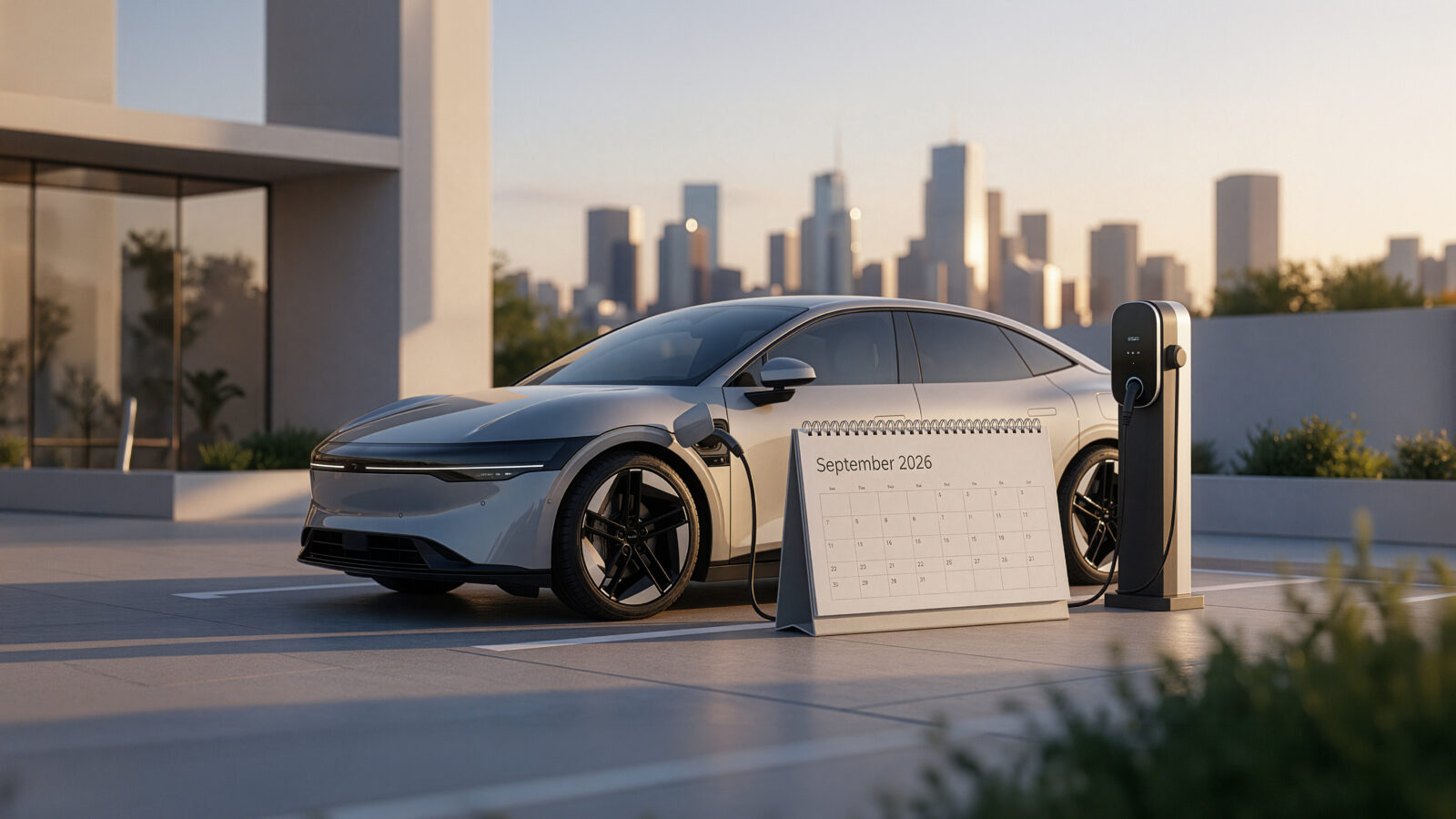
September gave us a little bit of everything.
There were new electric cars, some very fast charging numbers, a familiar performance badge going electric and new technology that could change something cars have relied on for decades. Together, they show how quickly the EV story is moving beyond range alone.
So, what happened in electric this month?
Geely
Charging is getting seriously fast
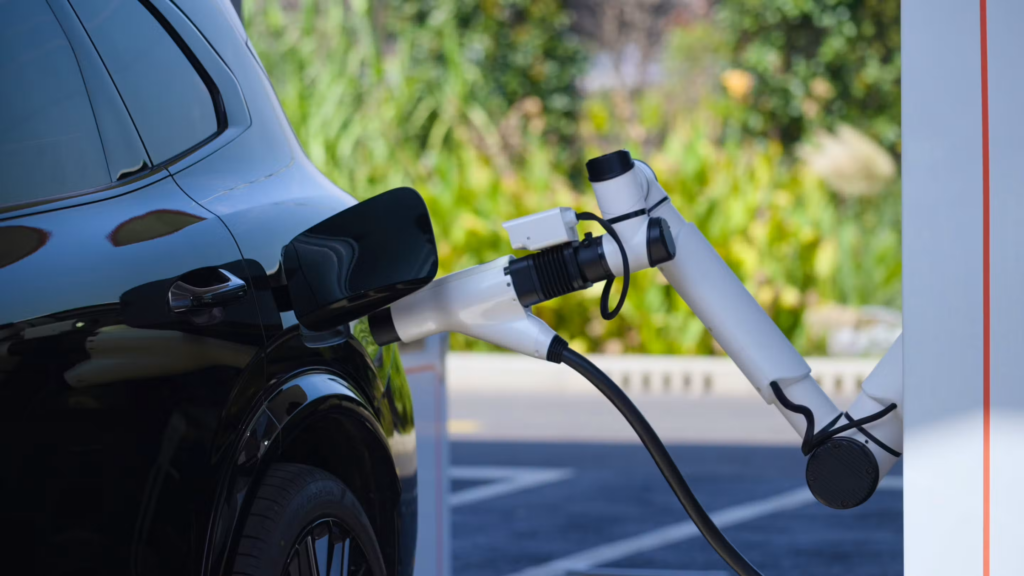
Charging an EV in roughly the time it takes to buy a coffee is getting closer to reality. In September, Geely introduced its next-generation AI-powered Smart Charging technology. In real-world tests, the company says compatible Lynk & Co 10 and Zeekr 001 vehicles charged from 10% to 70% in 4 minutes 30 seconds and from 10% to 97% in 8 minutes 40 seconds.
The system combines very high charging power with liquid cooling, thermal management and software designed to control heat and protect battery health. Those figures will not apply to every EV or charger, but they show where the technology is heading. The race is no longer only about how far an EV can go. It is increasingly about how quickly it can get moving again.
Porsche
Porsche wants charging to happen without the cable
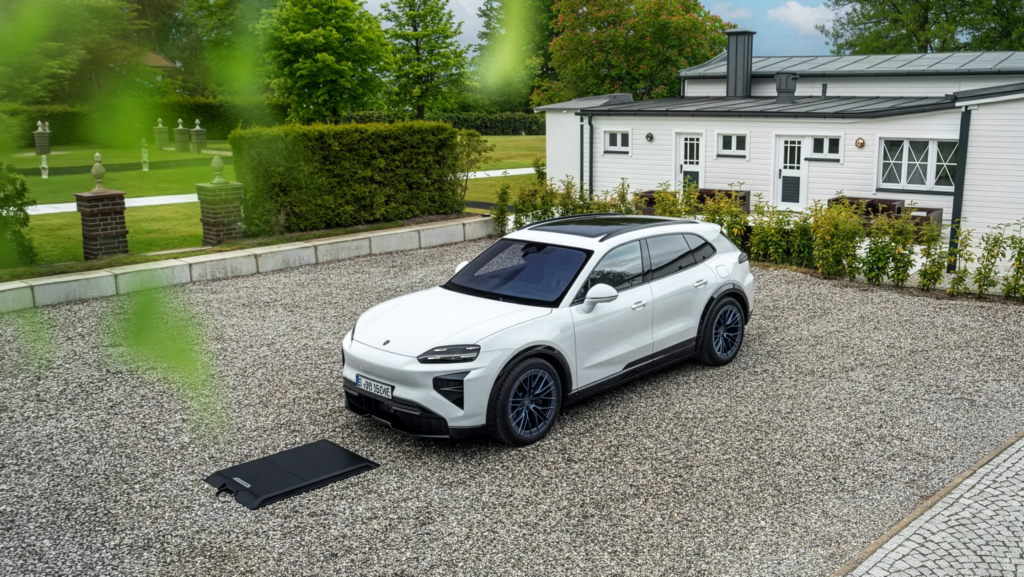
Plugging in could eventually become optional. This month, Porsche confirmed that all components of its Wireless Charging system for the Cayenne Electric are available to order in Germany and other European markets, with a wider rollout planned in stages. Instead of connecting a cable, the driver parks over a ground pad and charging can begin automatically.
The system transfers energy at up to 11 kW with around 90% efficiency, according to Porsche. Motion sensors and foreign-object detection can stop the charging process if a person, animal or metallic object enters the relevant area. It is not fast charging, but it could make home charging feel a lot more effortless.
GTI has gone electric
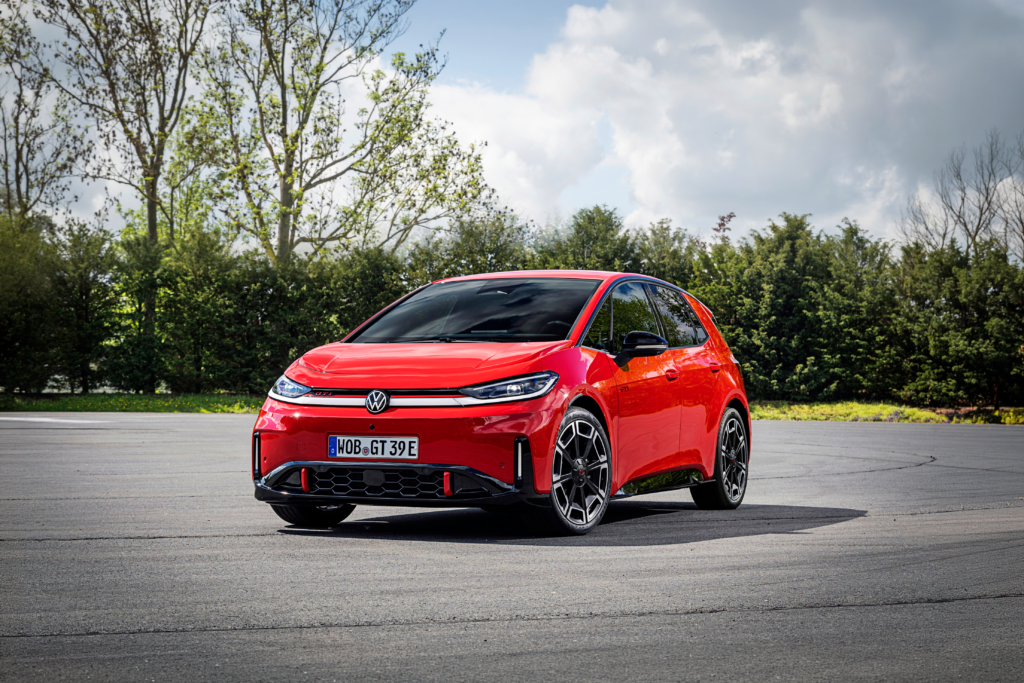
Three letters associated with petrol-powered hot hatchbacks for decades are now attached to an EV. Volkswagen unveiled the near-production ID.3 GTI in September, describing it as the most powerful model in five decades of GTI history.
The electric GTI produces 240 kW, or 326 PS, with 545 Nm of torque, and Volkswagen says it can accelerate from 0 to 100 km/h in 5.6 seconds. It also keeps familiar GTI touches, including red details, tartan-style seats and a dedicated GTI driving mode. The interesting part is not only the performance. It is another example of a familiar automotive identity being carried into the electric era.
Leapmotor
Could the little 12-volt battery disappear?
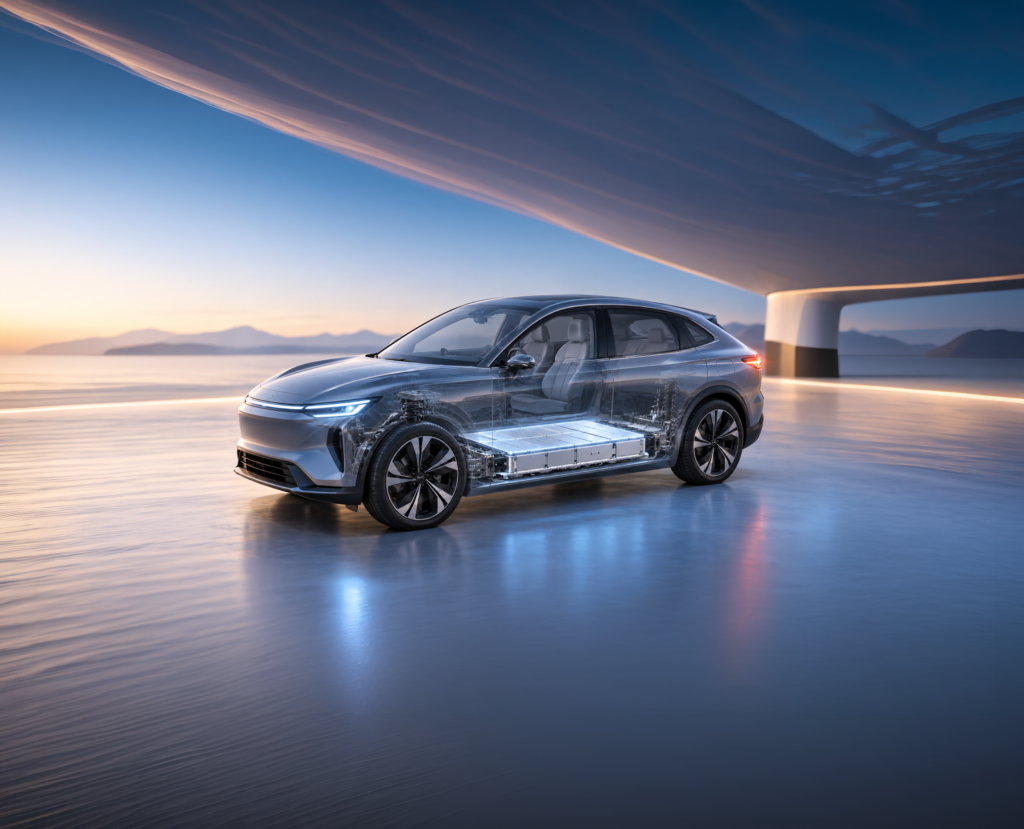
EVs have large high-voltage batteries, but most still carry something much more familiar: a small 12-volt battery. It supports low-voltage systems such as lighting, displays and safety functions. Leapmotor now wants to remove the need for a separate one.
At its September Tech Day, the company unveiled its CTC 3.0 High-Low Fusion Battery, designed to handle both high-voltage propulsion and low-voltage vehicle functions. Leapmotor says the technology will be used in next-generation vehicles from 2027 and can eliminate the traditional separate 12-volt battery. Sometimes EV innovation is not about adding more. It is about finding something you no longer need.
Volkswagen
The Tiguan name is going electric
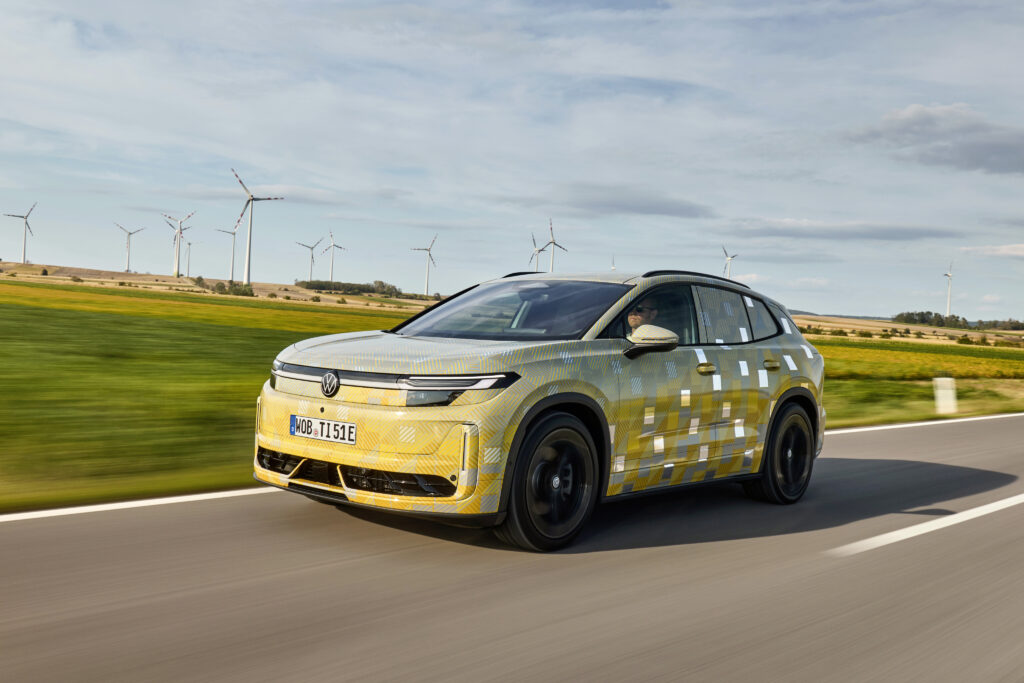
Volkswagen also made an interesting naming move this month. The company confirmed the ID. Tiguan, an all-electric SUV due to reach markets from the beginning of 2027. The electric model will take over the role of the ID.4 and ID.5, while the existing Tiguan will continue with combustion and hybrid powertrains.
That may sound like simple branding, but it points to a broader change. As EVs become a more normal part of manufacturers’ line-ups, electric models do not always need completely new names. Sometimes a familiar name can simply move into a new powertrain era.
So, what does September tell us?
No single announcement defines where electric cars are heading. But put September’s stories together and a few themes appear. Charging is becoming faster and easier. Electric cars are inheriting familiar badges and model names. And behind the scenes, manufacturers are still rethinking basic parts of the car itself, right down to whether it needs a separate 12-volt battery.
The EV story is not only about replacing the engine anymore. It is about redesigning the experience around it.
Quick Q&A
Questions, answered.
Tap a question for a quick, evidence-based answer.
Can an EV really charge in under five minutes?
Geely says its Smart Charging tests took compatible vehicles from 10% to 70% in 4 minutes 30 seconds. That does not mean every EV or public charger can do this. The battery, vehicle and charging infrastructure all need to support very high power levels.
Can I buy Porsche wireless charging now?
Porsche says the components are available to order in Germany and other European markets, with the system being rolled out worldwide in stages.
Is the ID.3 GTI fully electric?
Yes. The near-production ID.3 GTI is a battery-electric performance model with 240 kW, or 326 PS.
Do EVs normally have a 12-volt battery?
Yes. Most EVs still use a separate low-voltage battery alongside the main high-voltage traction battery. Leapmotor says its new CTC 3.0 technology is designed to remove the need for that separate battery.
When is the electric Tiguan coming?
Volkswagen says the ID. Tiguan is expected to reach markets from the beginning of 2027.
A quick reality charge
EV innovation is moving beyond the battery
Bigger batteries and longer range still matter. But September’s news shows how much development is now happening around the rest of the ownership experience too. Faster charging. No cable. Familiar cars going electric. Even fewer batteries.
October, your move.