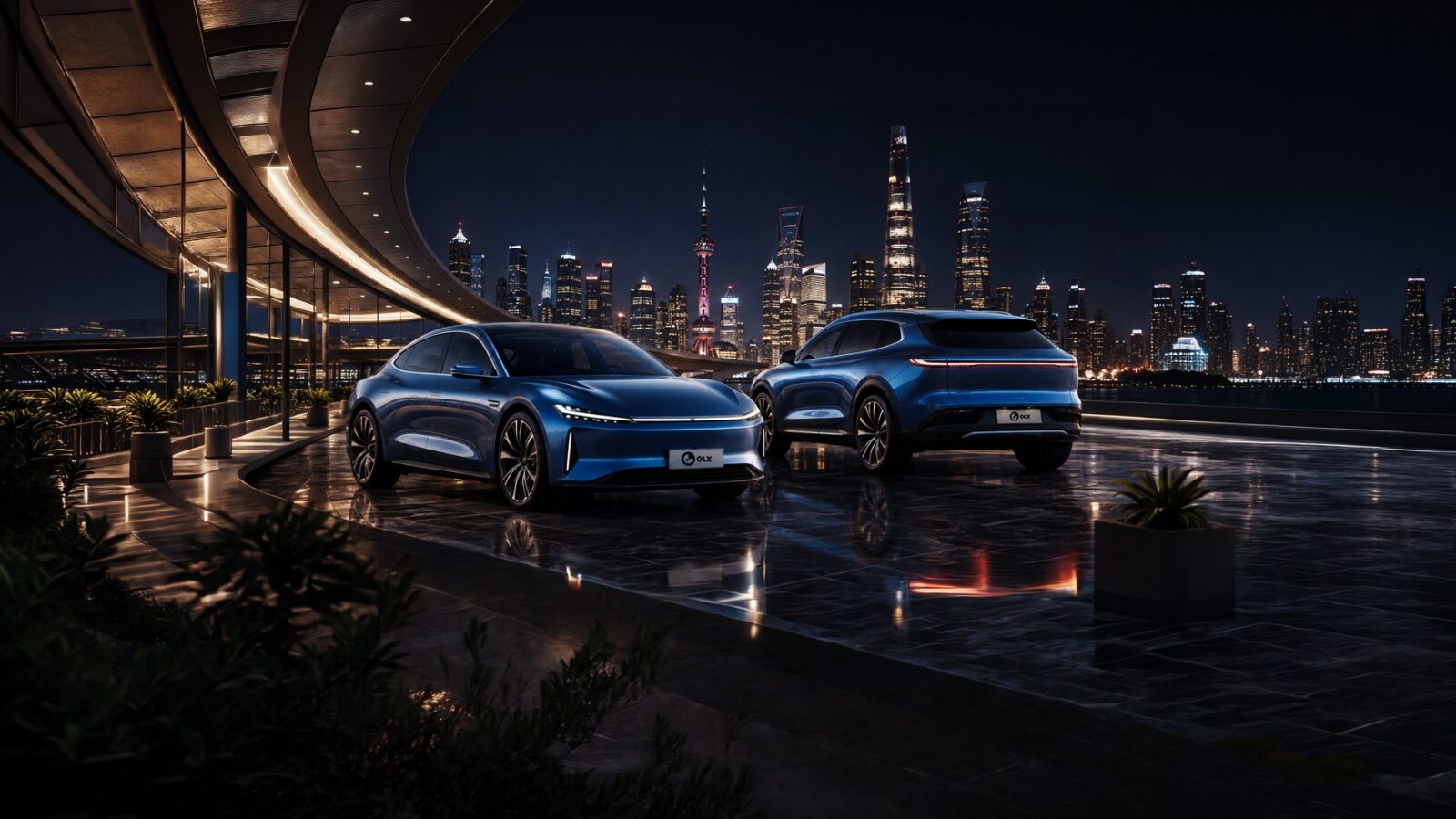
Chinese car brands are attracting more attention across Europe and South Africa, but look a little closer and the electric story changes dramatically from market to market.
In Portugal, most interest in Chinese brands is already electric. In South Africa, almost none of it is. Same broad trend. Very different roads.
Chinese brand does not automatically mean electric
Names such as BYD, MG, Xpeng, Omoda and Chery are becoming more visible, but the data suggests a more complicated picture than one simple global trend.
The OLX Group July 2026 EV Report compares five marketplaces and shows that local prices, product choice, infrastructure and buyer habits still shape what happens next.
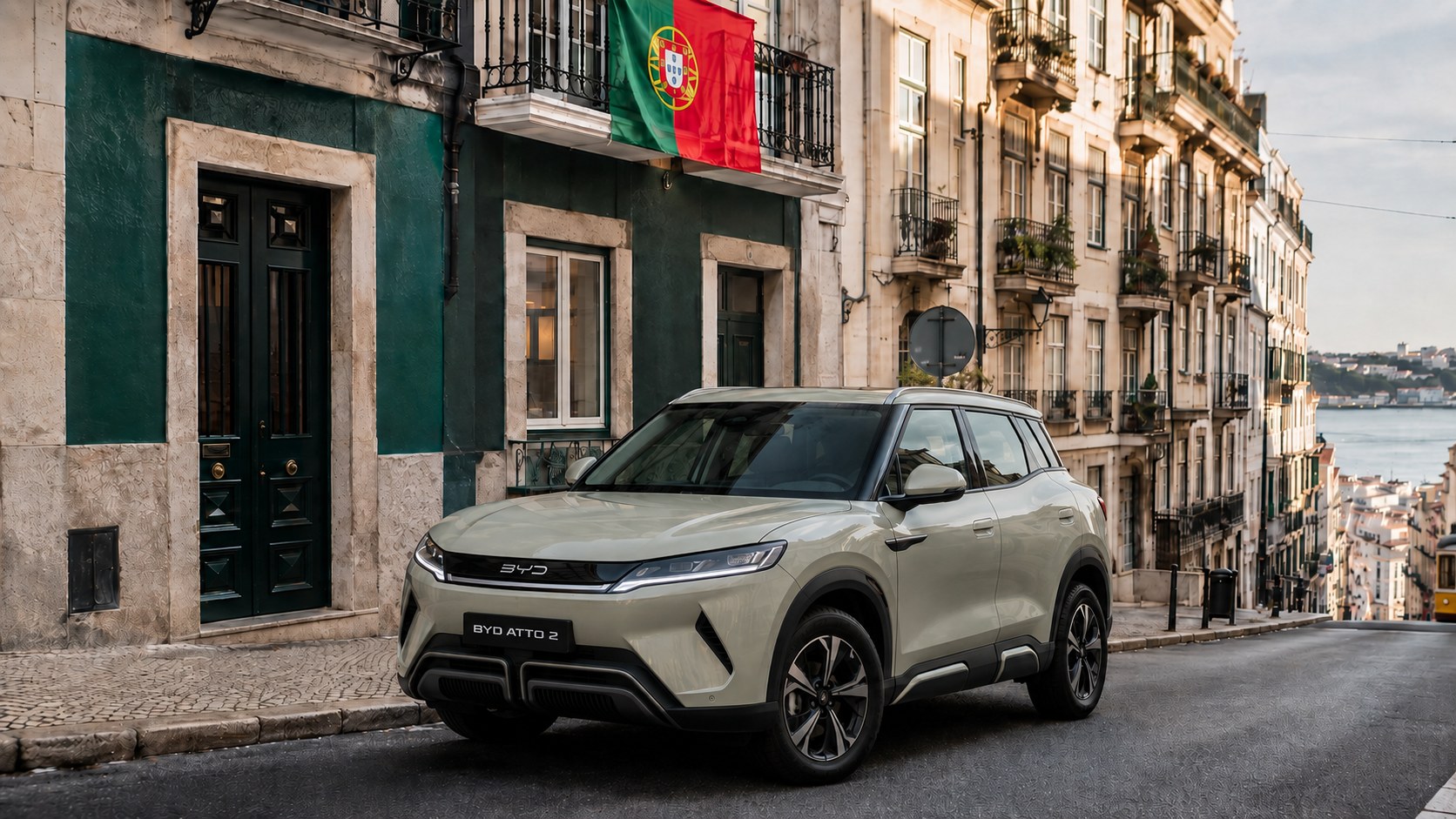
Portugal is already strongly electric
Portugal provides the clearest example.
Chinese brands accounted for 2% of automotive leads in the country in June 2026. Of that demand, 70.6% was for electric vehicles.
MG, BYD and Xpeng were the leading Chinese brands in the dataset.
Portugal was also the most EV-mature market covered by the report overall, with electric cars accounting for 14.9% of automotive leads.
Put the two together and Chinese brands entering Portugal are meeting a market where EV consideration is already relatively established.
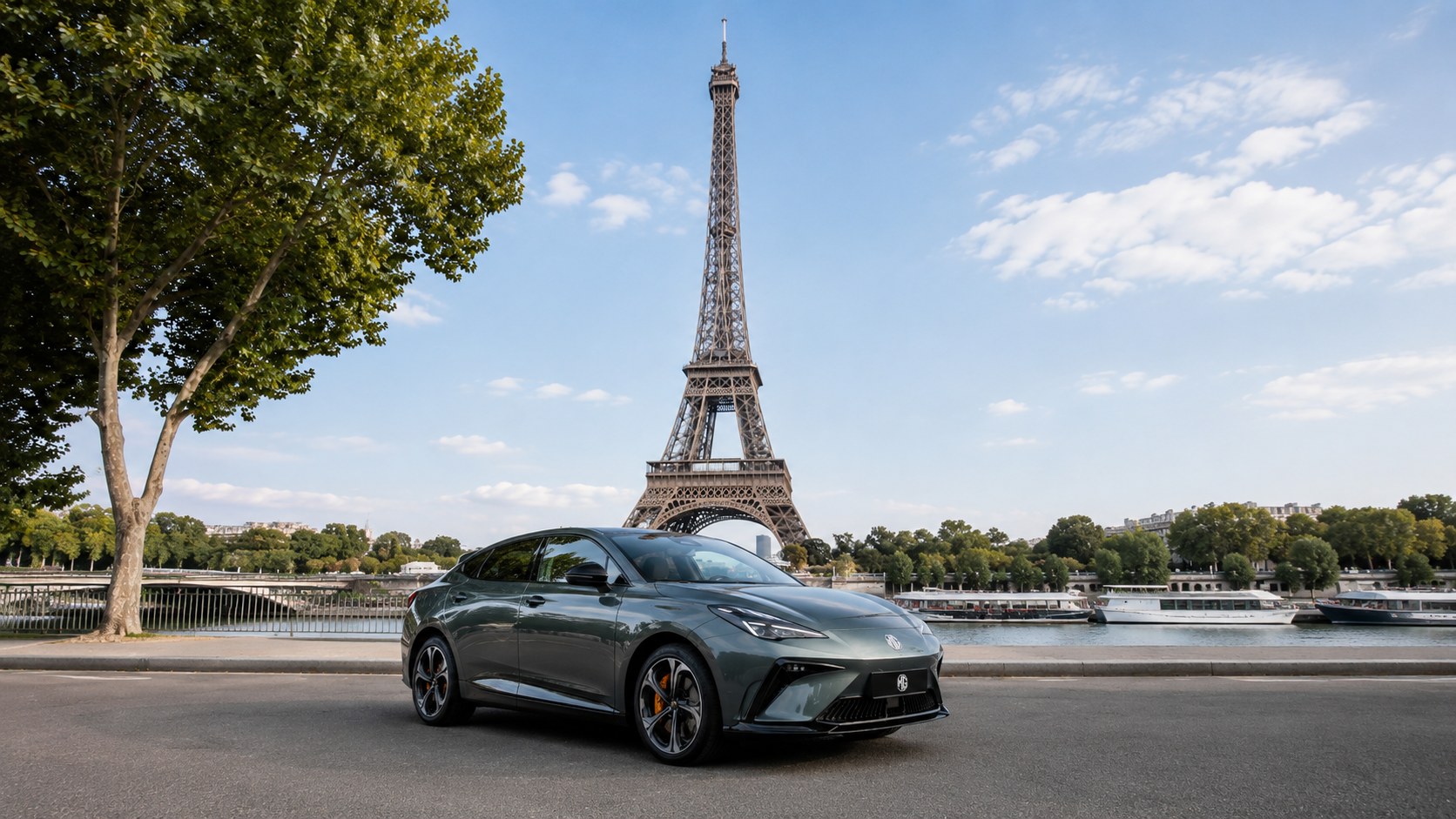
France has a different mix
France tells another version of the story.
Chinese brands represented 1% of automotive leads, and 27% of Chinese brand demand was electric. MG and BYD led the segment.
At the same time, France recorded the strongest year-on-year EV lead growth among the five markets analysed, at 206% in June 2026 compared with June 2025.
So Chinese EVs are part of a rapidly growing electric market, but they are not the whole Chinese-brand story there.
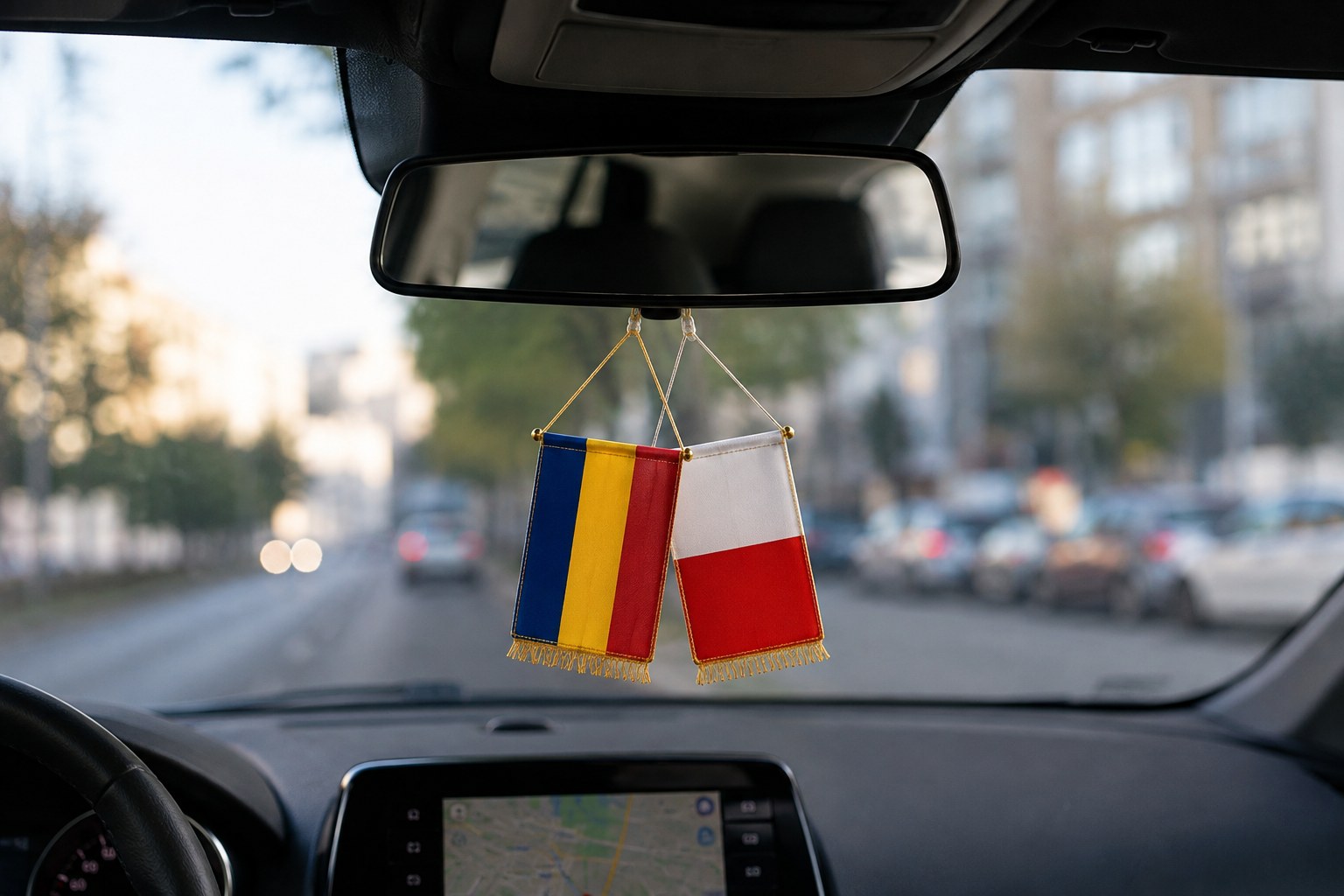
Romania and Poland are taking different routes
Romania and Poland sit somewhere between Portugal’s strongly electric Chinese-brand demand and South Africa’s mostly petrol and hybrid picture.
In Romania, 24.8% of Chinese brand demand was electric in June 2026, with BYD, MG and Chery leading the segment. EV prices were also 7.7% lower year-on-year, while EV leads were 66% higher, making affordability an interesting part of the story.
Poland had a lower electric share, with 13.5% of Chinese brand demand going to EVs. MG, BYD and Omoda were the leading Chinese brands, and the report describes Poland as the most diversified of the five markets analysed by number of Chinese brands.
Together, they show another part of the picture: Chinese brands are not following one identical path across Europe. Price, available models and how established EV demand already is can all shape what buyers consider.
Then there is South Africa
And this is where things get interesting.
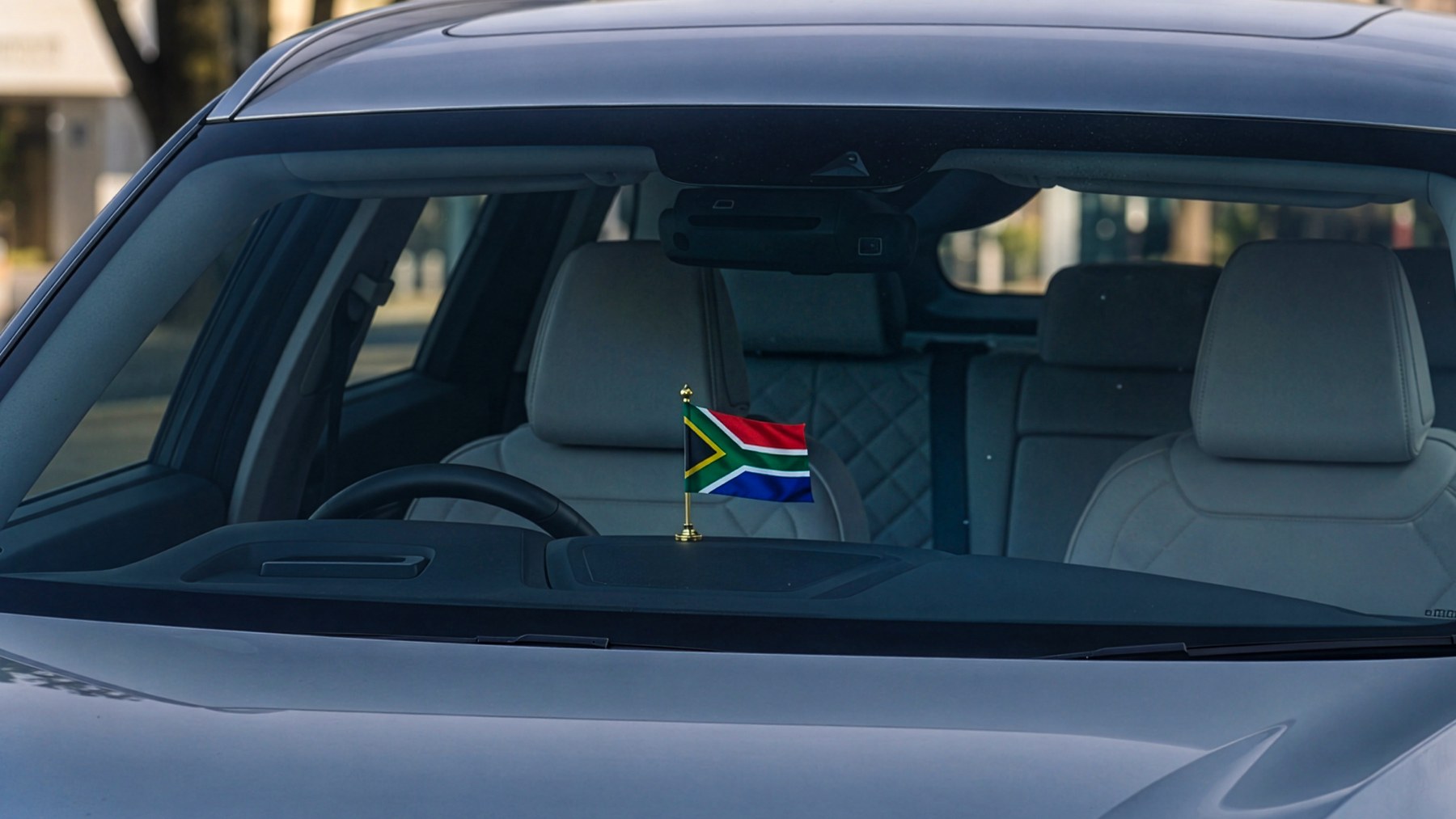
South Africa had the highest Chinese brand share of automotive leads in the report, at 7.31%.
But only 0.3% of Chinese brand demand was electric.
Haval was the leading Chinese brand, and the report describes South Africa’s current Chinese-brand market as much more focused on petrol and hybrid SUVs than pure EVs.
That is a useful reminder that global automotive trends rarely arrive everywhere in exactly the same form.
Infrastructure, driving distances, pricing, available models and local preferences can all affect which cars make sense in a particular market.
So why are Chinese EV brands getting attention?
Choice is a big part of the answer. Chinese manufacturers are bringing EVs in more sizes and at a wider range of prices, while brands such as MG and BYD are building recognition across several markets.
But the same badge can meet a very different buyer in each country. The market matters as much as the model.
What does this mean if you are shopping for an EV?
More competition can mean more choice, but comparison still matters. Look at real-world range, charging speed, warranty cover, servicing access, insurance and resale expectations in your own market—not just the headline specification.
Questions, answered.
Tap a question for the local version of the story.
Where is interest in Chinese brands most electric?
Portugal. In June 2026, 70.6% of marketplace demand for Chinese brands there was electric.
Which Chinese brands appear most often?
MG and BYD were among the leading Chinese brands in four of the five markets analysed.
Are most Chinese cars electric?
No. It depends heavily on the market. South Africa had the highest overall Chinese-brand share in the analysis, but only 0.3% of that interest was electric.
Are Chinese EV brands becoming popular in Europe?
They are gaining attention, but the pace and electric share vary sharply between countries. These figures describe the five OLX Group markets in the report, not Europe as a whole.
There is no single “Chinese EV story”.
In one market, Chinese brands may be helping expand electric choice. In another, the same manufacturers may be finding more success with hybrids or petrol SUVs instead.
What is consistent is that buyers are seeing more brands and more options than they did a few years ago.